
The Camp Is Officially Open
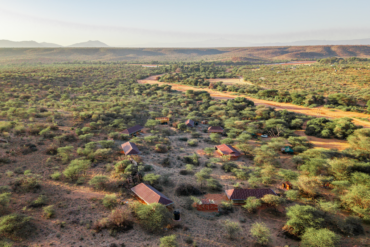
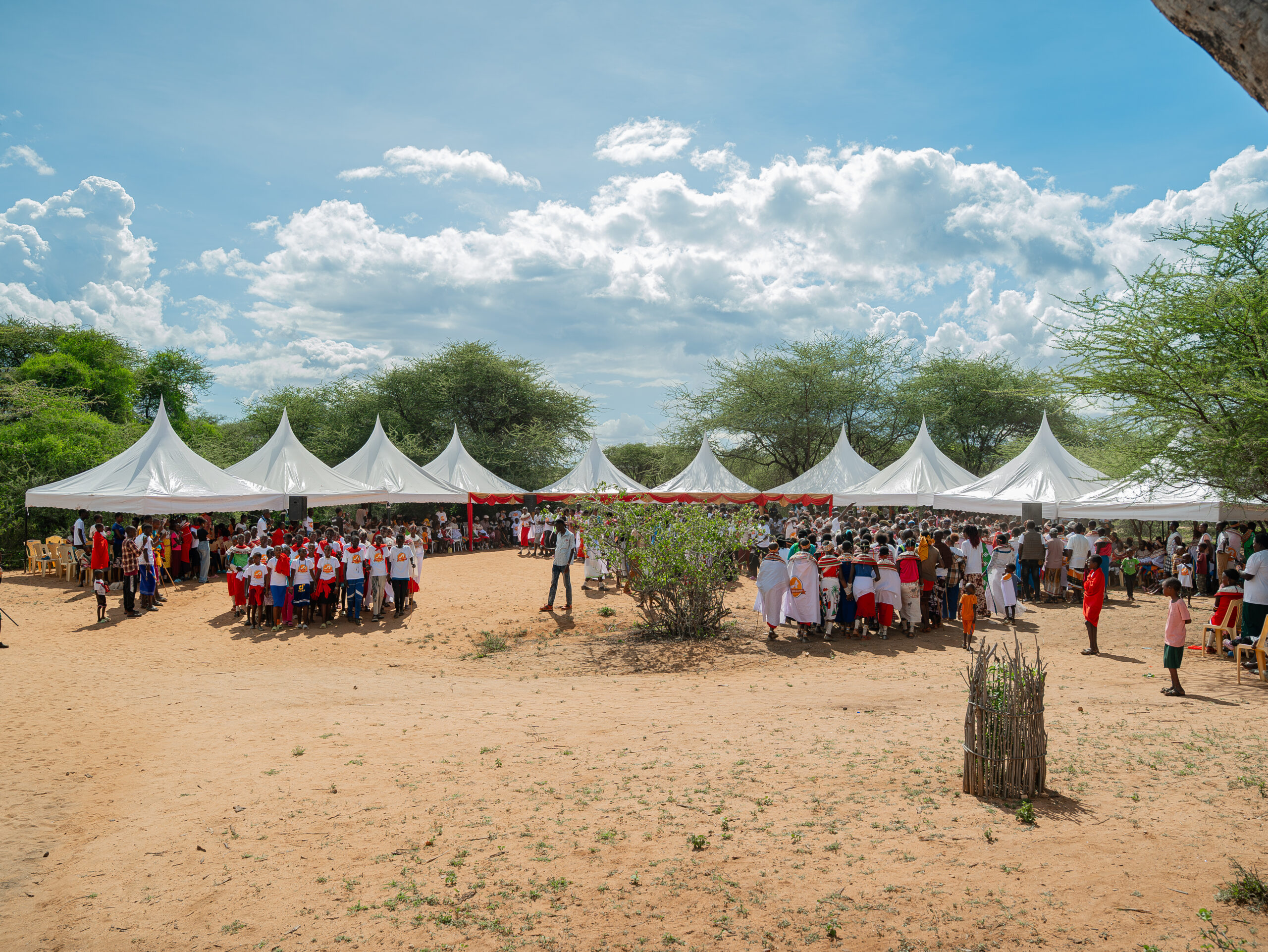
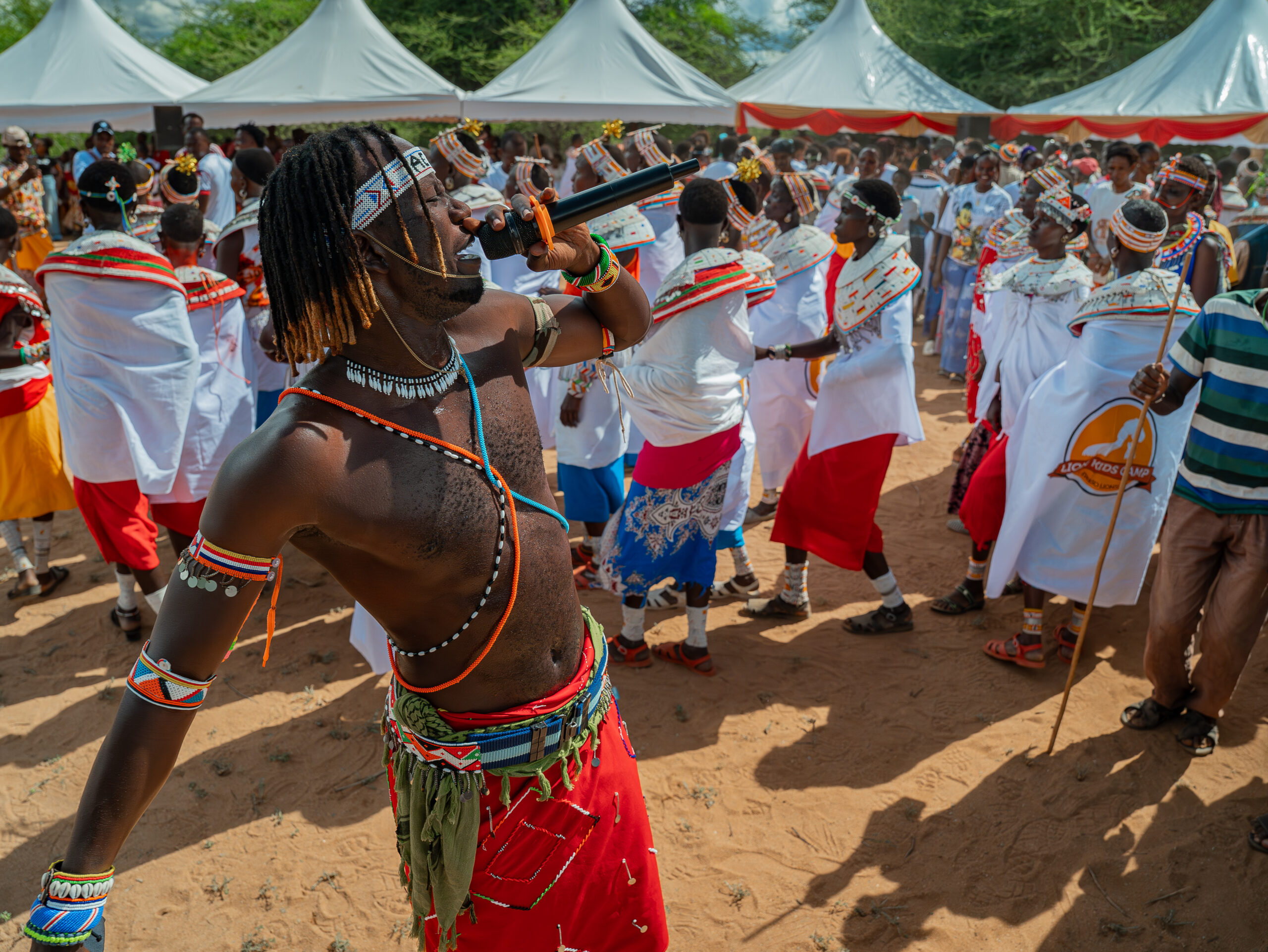
Nine hundred people showed up. Nine hundred people who believe that communities hold the future of conservation gathered to mark a historic moment for Ewaso Lions. The official opening of the newly upgraded Lion Kids Camp.
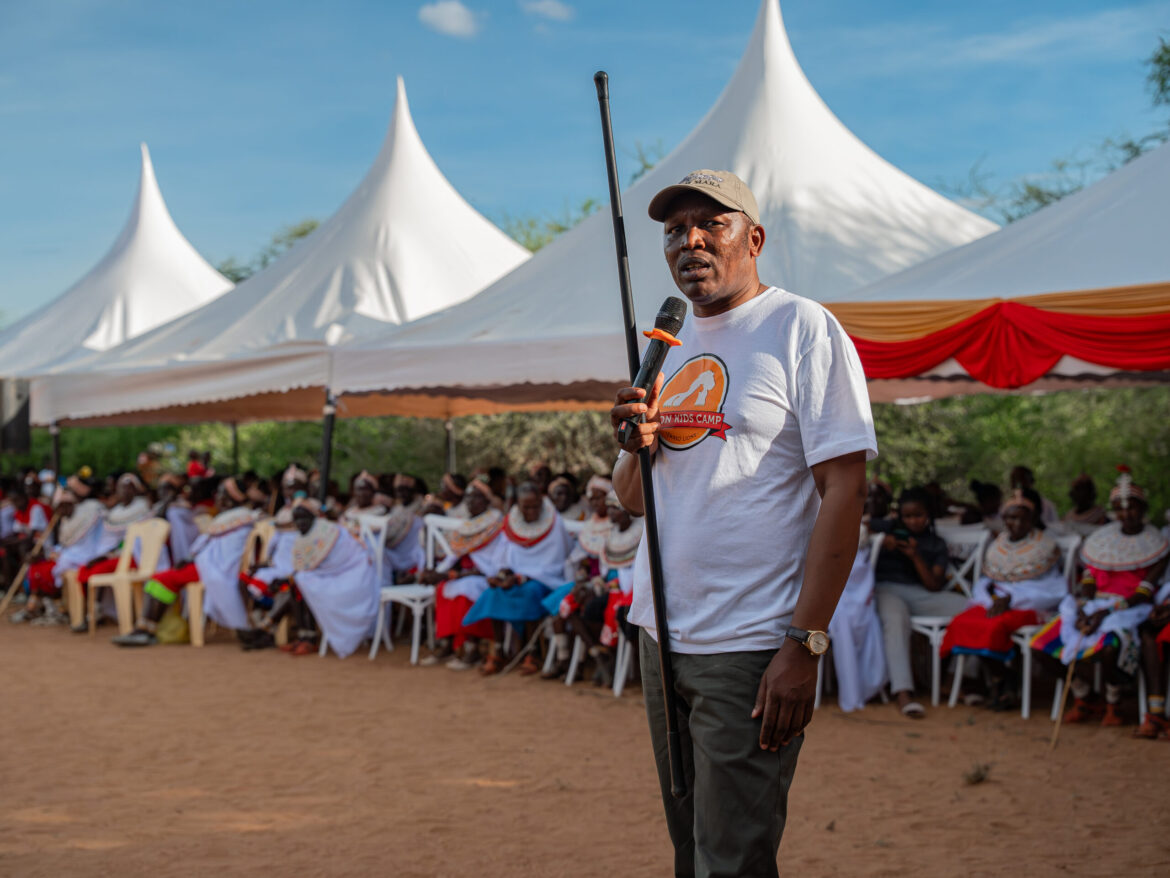
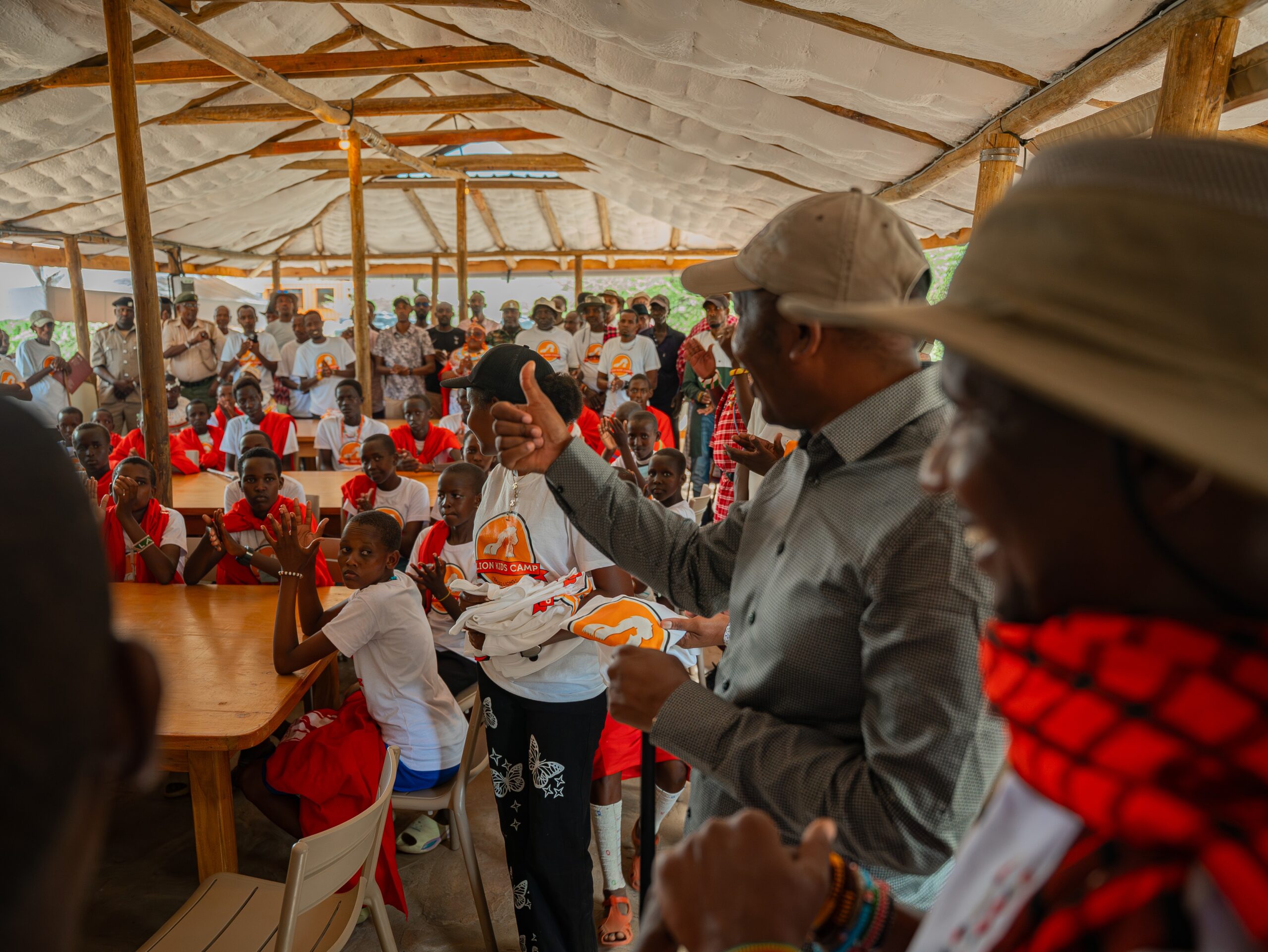
The ceremony was officiated by the Governor of Samburu County, H.E. Hon. Jonathan Lati Lelelit, EGH, and drew representatives from the Kenya Wildlife Service, Samburu County Government, conservation partners, 11 community conservancies, local schools, and a vibrant community audience; women’s groups, warriors, elders, youth, and young children.
The Governor’s words set the tone for everything that followed:
“Ewaso Lions has made a remarkable contribution to employment and conservation in Samburu County. They have employed more people than I ever imagined possible, reaching even those who have never had the opportunity to set foot in a classroom. This is the true power of community-driven conservation, transforming lives while protecting wildlife.”
Speeches from community elders, parents of children who have attended Camps, and the Ewaso Lions team reminded everyone why this programme exists and why it matters.
Two Reunion Camps
Ewaso Lions’ goal in 2026 is to reach 500 children through the Reunion Camps.
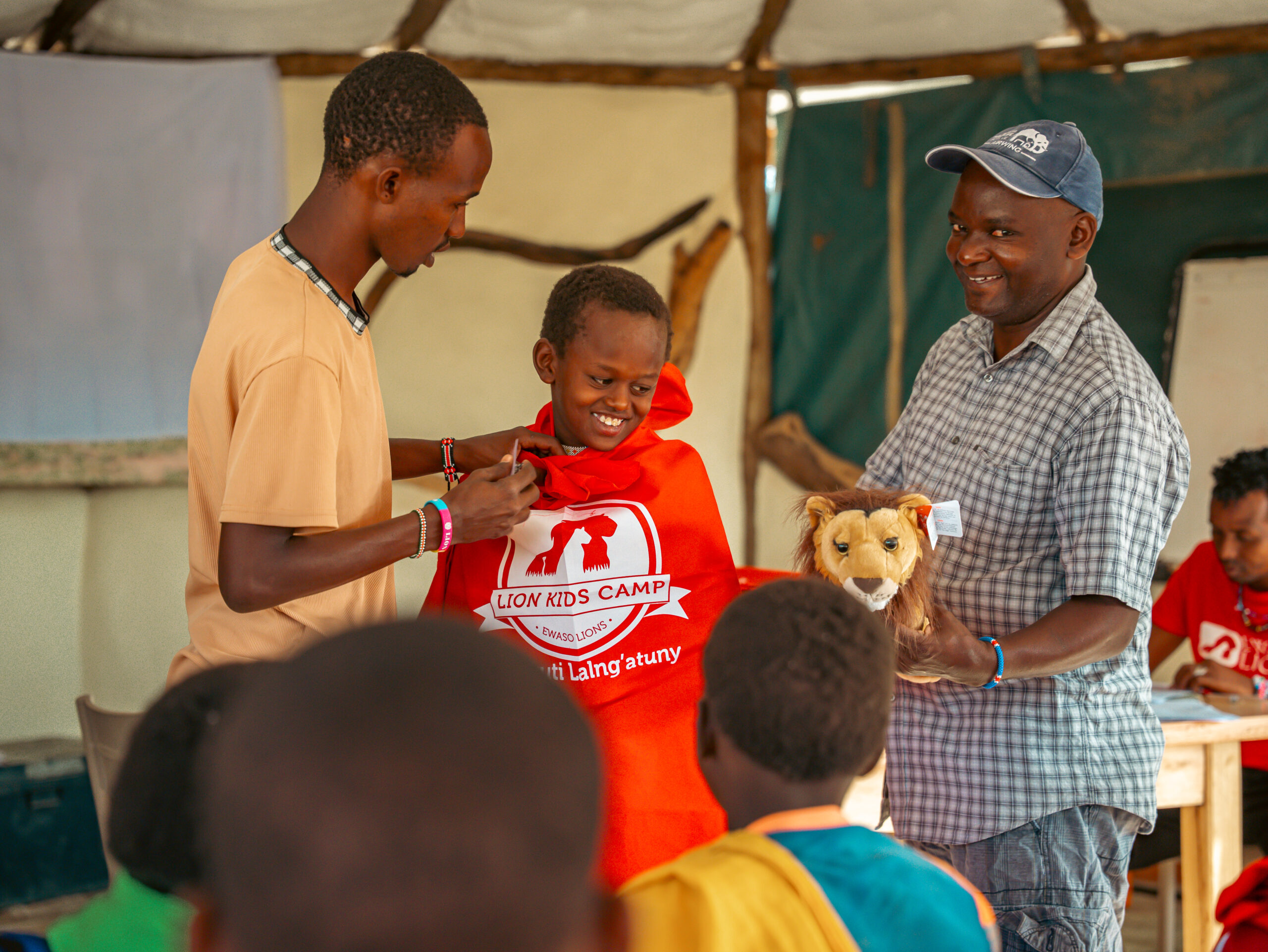
So far, we have held two Lion Kids Camp – Reunion Camps – bringing back a combined 97 alumni from Kalama and Westgate Community Conservancies, young people who first attended Lion Kids Camp between 2015 and 2021. Some were just children then.
For many, the biggest surprise on arrival was finding a completely upgraded Camp with brand-new facilities. The excitement was unforgettable. But these alumni were not returning for the memories alone. Even before coming back, they were already living what they had learned. Kids from Lerata in Kalama Community Conservancy had been alerting fellow herders to carnivore tracks, actively preventing livestock predation in their communities, proof that the Camp’s lessons had taken root and grown.
This cohort now includes young conservation leaders working at Sera and Kalama Community Conservancies, Sasaab Lodge, and Larsens Camp; interns with Save The Elephants; college students; and recent high school graduates.
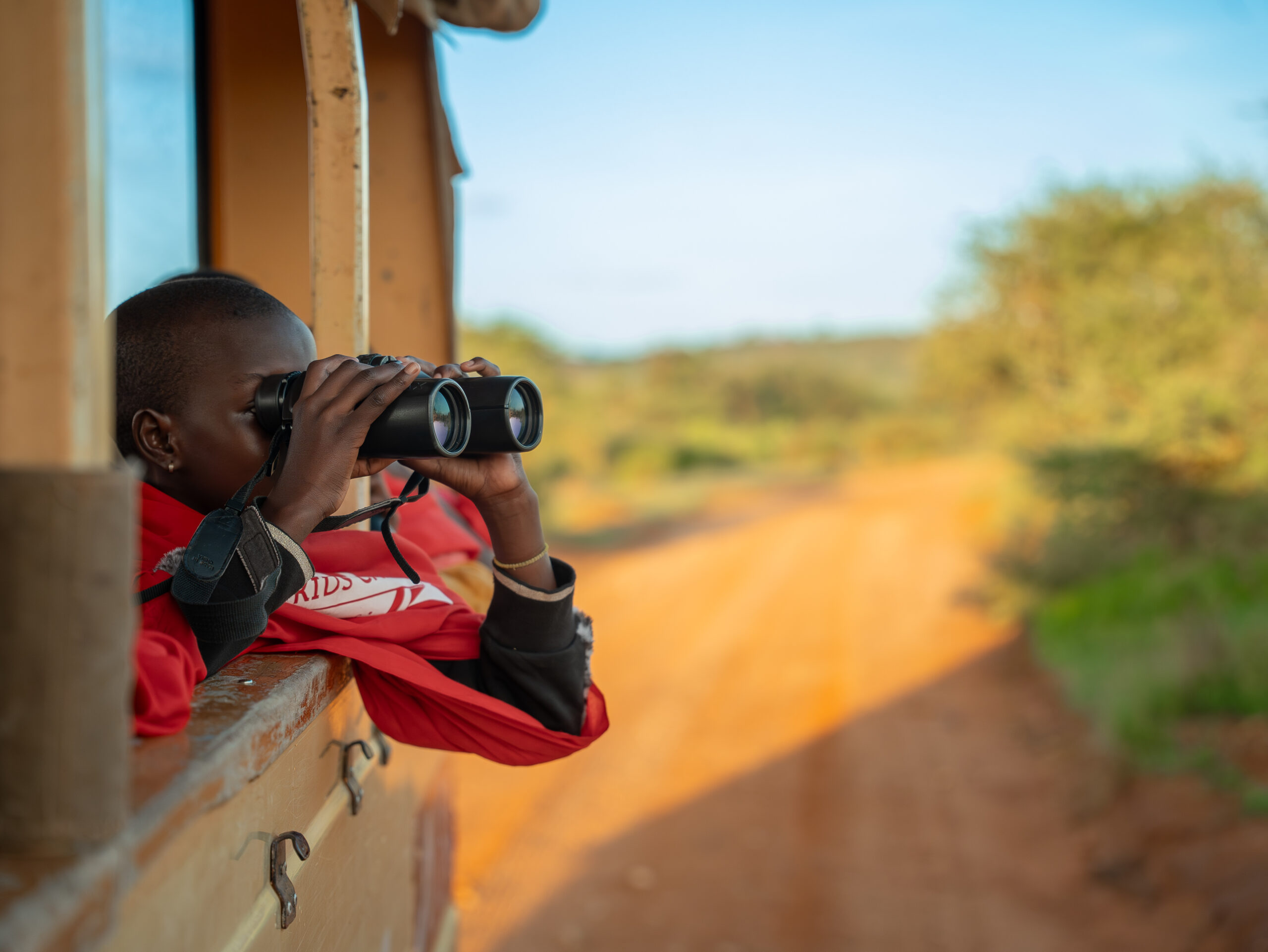
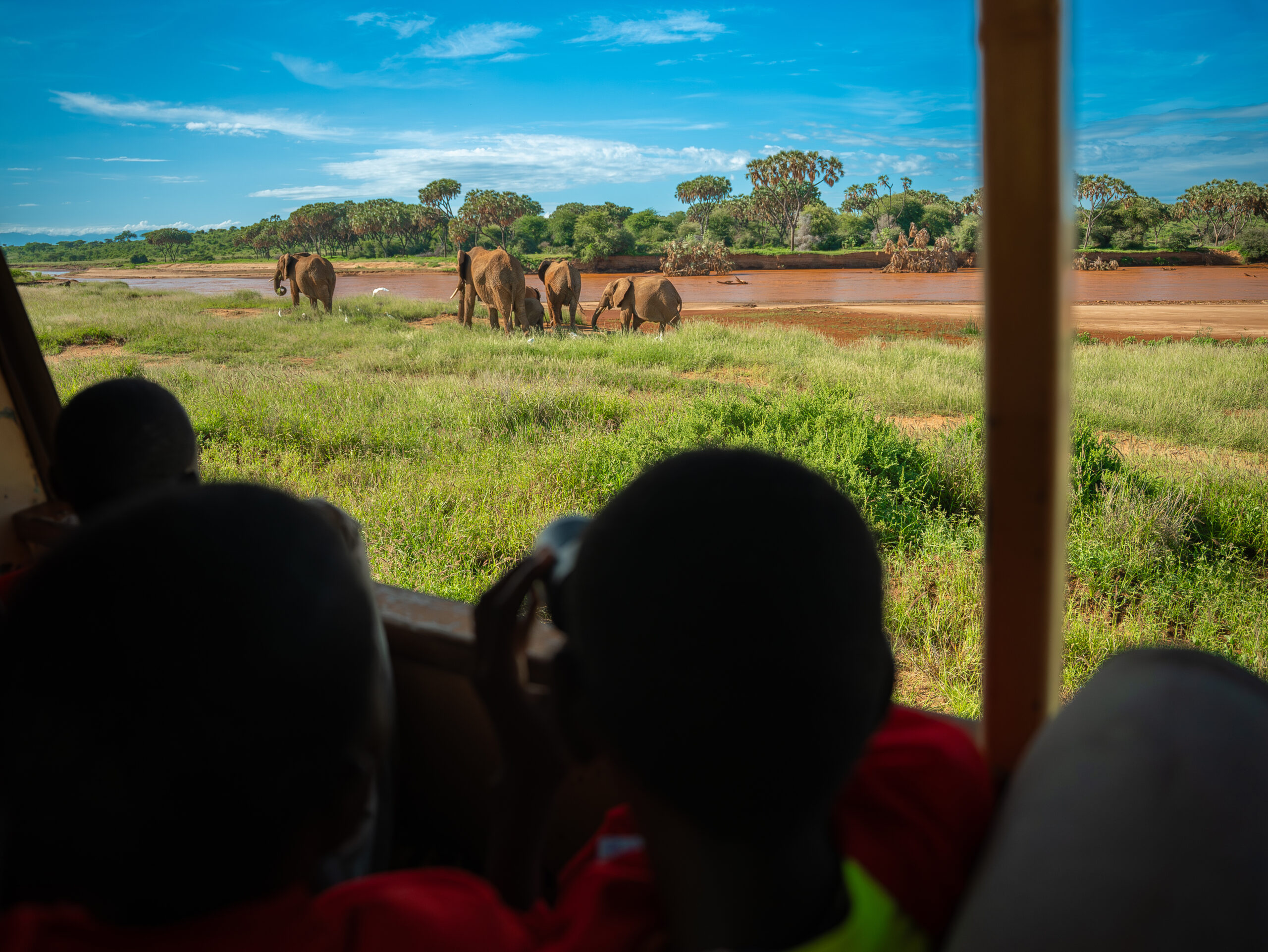
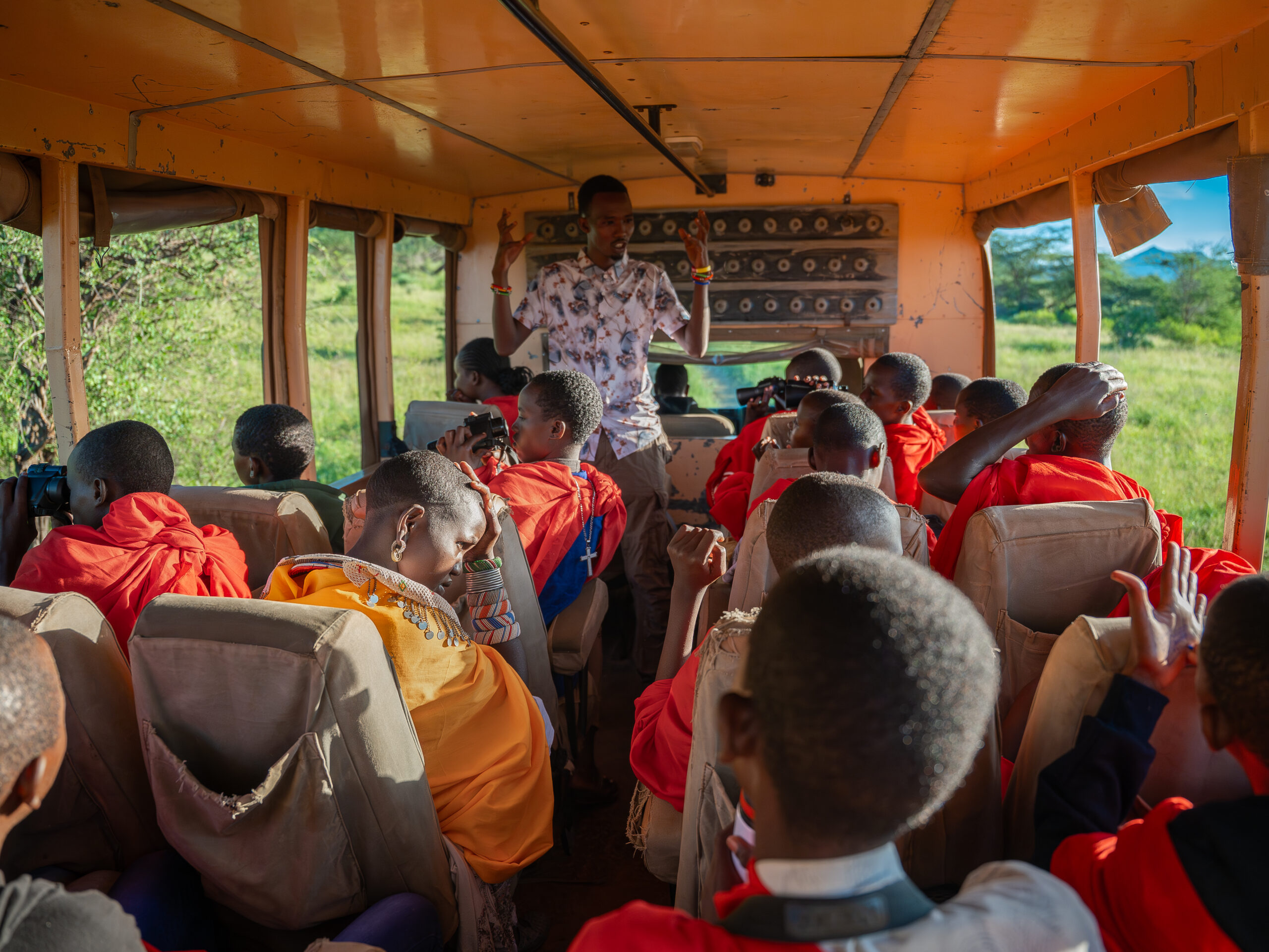
The Reunion programme includes career guidance, impact measurement, wildlife safaris, the Conservation Game, and Conflict to Coexistence sessions. Community elders spoke to the alumni, and rangers deepened their understanding of conservation on the ground.
One alumnus put it simply:
“We are grateful for the chance to reconnect, reflect, and celebrate how far we have come, and how conservation has shaped our lives and careers.”
Coming back to Camp after years away was special in itself, a chance to reconnect with each other, with the landscape, and with the values that Lion Kids Camp had planted in them long ago. From children who once sat wide-eyed on their first wildlife safari to conservation professionals now shaping the future of conservation in northern Kenya, this is what long-term impact looks like.
Six Camps, Hundreds of Lives Changed
Between February and June 2026, we held six Lion Kids Camps at our upgraded Camp, reaching livestock herding children and students from as far as Turkana, Isiolo’s Nasuulu Community Wildlife Conservancy and the neighbouring Kalama and Westgate Community Conservancies. Every child who attends lives alongside wildlife, and the results speak for themselves.
 From Blank Slates to Conservation Thinkers
The numbers on prior conservation education were evident: 67% of Kiltamany (Kalama Community Conservancy) children, 83% of Nasuulu (Isiolo) children, and 100% of Ngare Mara (Isiolo) children had never received any formal teaching about wildlife or conservation before attending. The Camps changed that profoundly.
Children’s ability to identify resident mammal species improved significantly in every cohort; 75% to 86% of attendees scored higher post-Camp. Carnivore identification by tracks, signs, or sounds improved even more sharply, with 76% to 92% of children achieving higher scores, and average scores rising by as much as 68% from children in Westgate.
The most striking shifts came in threat awareness. Children who had barely considered threats facing wildlife left Camp able to name habitat loss, drought, poaching, encroachment, and pollution, and explain why and how they happened.
Turning Fear and Indifference into Appreciation
The Camps consistently shifted how children feel about wildlife and carnivores. At Kiltamany, the proportion who believed that living with wildlife brought more benefits than problems jumped from 30% to 100%. At Nasuulu, 92% agreed post-Camp, up from 80%. Across all Camps, 100% of children ended the week saying that killing wild animals was ‘very bad’.
Attitudes towards lions improved everywhere. Post-Camp, 96–100% of children across all sites said that when they think of a lion, it is something they ‘like’ or ‘strongly like’, including among herding children who had previously experienced lion attacks on their livestock.
Children Who See Themselves as Stewards
One of the most meaningful shifts was in how children understand their own role. At Ngare Mara, the proportion who considered themselves responsible for conserving carnivores rose from 4% to 36%. At Westgate, responsibility for protecting livestock from predation went from 0% to 100%. Across all Camps, more children left understanding that they could act on conservation today in their home areas.
Practical Tools for Coexistence
Every Camp dedicated significant time to practical coexistence skills. Children left knowing how to use scarecrows, guard dogs, fire and lights, bells on livestock, and strengthened bomas to protect their animals, directly reducing the retaliatory killings that threaten carnivore populations across the region.
What the Children Said
At Nasuulu, 100% of attendees said they enjoyed the Camp and would return if given the chance. At Westgate, 96% strongly agreed the Camp had improved their knowledge of local wildlife, and 88% strongly agreed their attitude towards wild animals had improved.
The data is compelling. But it is the stories that stay with you: the Kiltamany children who woke at 4 am, buzzing with excitement before their first-ever wildlife safari; the Ngare Mara group who spotted 8 lions sleeping in a thicket and could not stop talking about it; the Westgate students taught the names of individual lions by the Ewaso Lions field team, who left feeling like they personally knew the pride.
Jamani: A Success Story
Eight-year-old Jamani Lororua walked 33 kilometres through Westgate and Meibae Conservancies, alone, on foot, to find his way back to our main camp, a place he had seen just once, pointed out during his first Lion Kids Camp. When he arrived, he told us he was on his way back to camp, a place that had clearly left a deep impression on him. He shared everything he remembered, wildlife tracking, the food chain, and coexistence, and then told us exactly what he planned to do with all that he had learned:
“When I see lions, I will take our livestock away and give the lions space. And I will not kill dikdik again.”
Jamani was safely reunited with his family, but his journey is far from over. His story is a powerful reminder of what conservation education can do, and we made him a promise. We will welcome him back to the next Lion Kids Camp.
Next Steps
Ewaso Lions has now run over 53 Lion Kids Camps since launching the programme 13 years ago, in 2013, providing more than 1,560 children across four counties with a fully immersive wildlife experience. The Reunion Camps have shown that the impact does not stop when children go home; it compounds, year after year, as they grow into conservationists, researchers, guides, rangers, and community leaders.
This year’s mega launch showed that conservation is not the work of a few. It is the work of a community. And the community showed up, 900 strong, to prove it.
Thank You
None of this would be possible without the generosity of those who believe in this vision. Our deepest thanks to:
Conservation Partners: Samburu County Government, Kenya Wildlife Service, Westgate Community Conservancy, Kalama Community Conservancy, Nasuulu Community Conservancy, Nakuprat-Gotu Conservancy, Samburu National Reserve and Buffalo Springs National Reserve.
Financial Supporters: Zoo Atlanta, Auckland Zoo, Oakland Zoo, Capricorn Foundation, Safarilink Aviation, Diann and her friends, and individual donors who responded to the 2025 end-of-year appeal.
Your collective contributions have been instrumental in delivering conservation education across Northern Kenya, inspiring and nurturing young conservation leaders.
Images by Simatwa Ngachi