
Looking through the lens at the northern Kenyan horizon, we don’t just see wildlife. We see stories of transformation, of people reclaiming their connection to the land, and of lions finding safety in places once marked by conflict. In this landscape, lions face mounting threats: habitat fragmentation, human-wildlife conflict, and the steady disappearance of prey due to land degradation. But amid these challenges, we also witness hope. Through community-led conservation, these struggles are being met with resilience, and continued coexistence is slowly becoming possible.
We follow the journeys of two powerful community-led conservation movements, Warrior Watch and Mama Simba, anchored by Ewaso Lions in the heart of Samburu. These aren’t just programmes, they are revolutions in how conservation can be done when the community takes the lead.
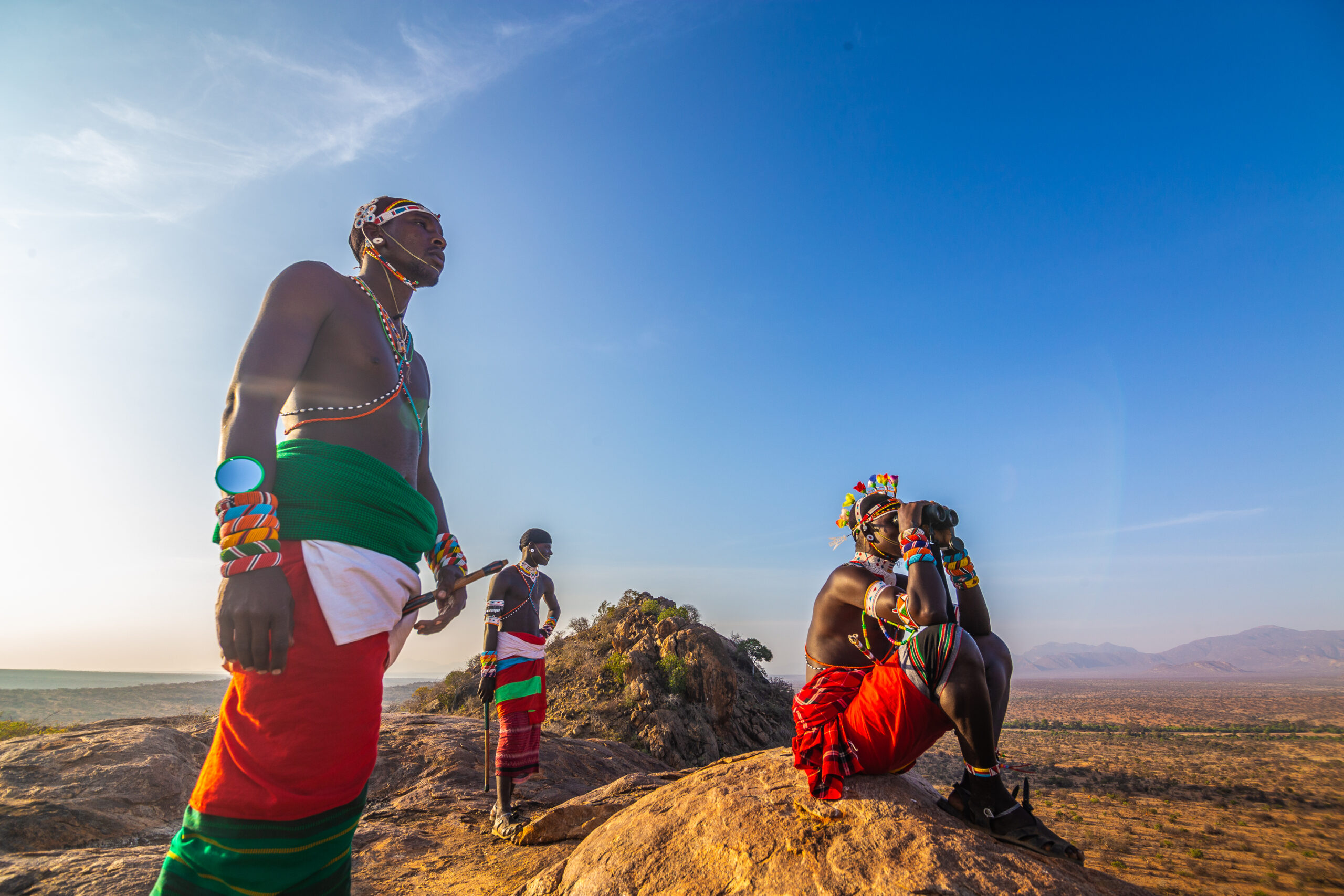
In the Warrior Watch programme, traditional knowledge meets modern tools. With each scan of the binoculars, he’s not just looking for lions; he’s watching over his people’s livestock, preserving peace, and protecting Kenya’s last wild lions. © Anthony Ochieng Onyango
Through Warrior Watch, the Samburu warriors, men who were once seen only as potential threats to wildlife, are today the protectors. The programme idea came from a Samburu warrior himself, Jeneria Lekilelei. Armed not with weapons, but with smartphones, binoculars, notebooks, and a resolve. They track lion movements, alert herders of approaching lions, and prevent livestock loss. They traverse thorny terrain, sometimes on foot, sometimes by vehicle, covering hundreds of kilometres not for glory, but to keep the peace. They’ve moved from the periphery to the centre of the conservation story, and they know it.
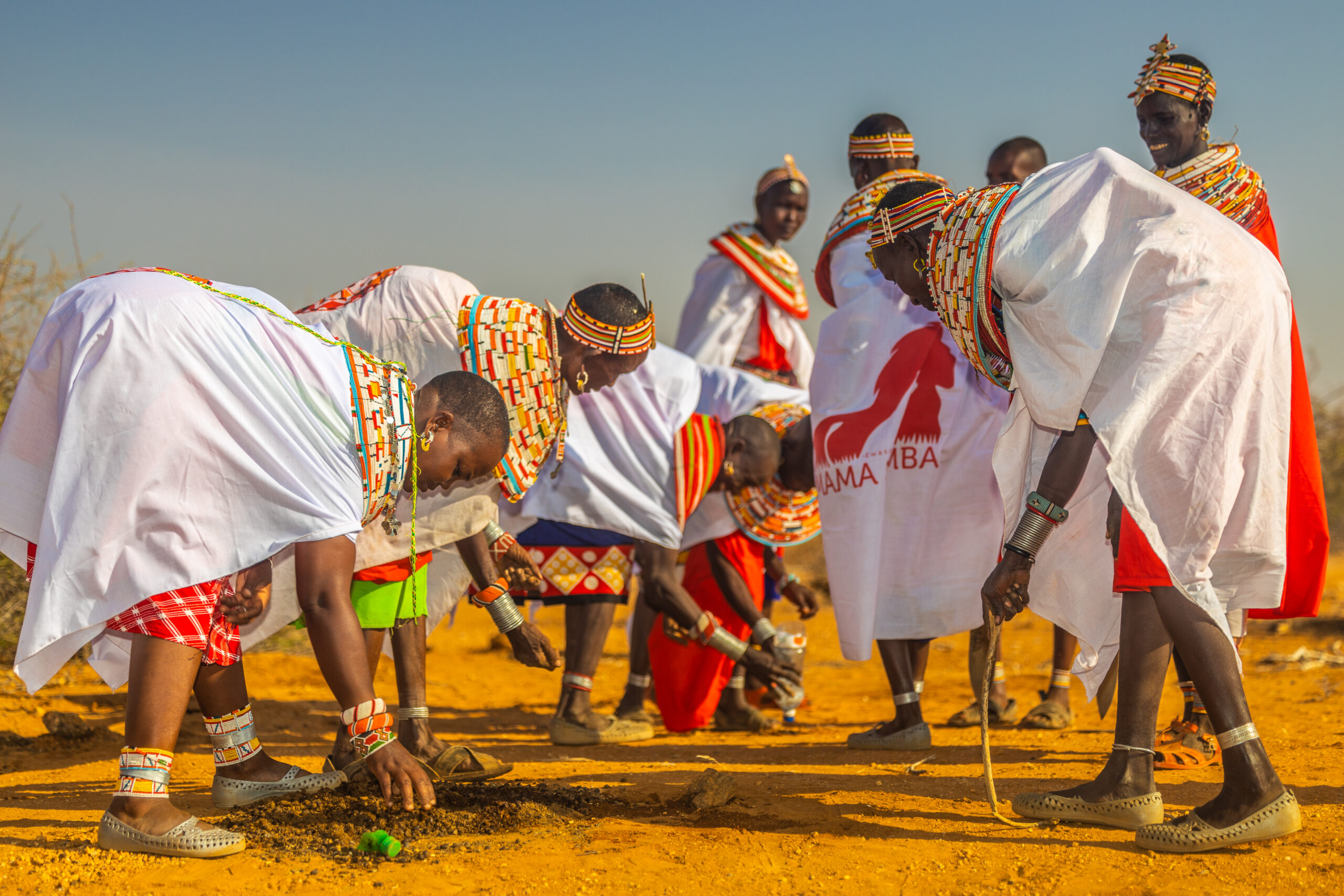
Mama Simba involved in restoration efforts in the landscape. © Anthony Ochieng Onyango
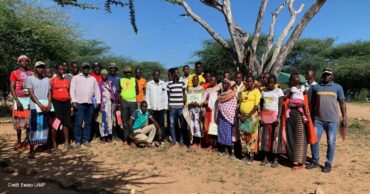
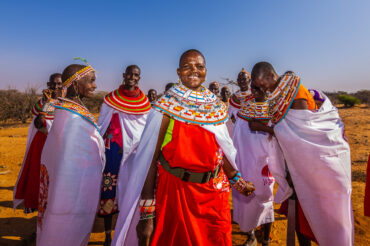
Then there’s Mama Simba. In 2013, a group of Samburu women from Westgate Conservancy approached Ewaso Lions, expressing a desire to be actively involved in conservation. Their request led to the founding of Mama Simba (Mother of Lions), a pioneering initiative that empowers women to protect lions, educate their communities, and advocate for continued coexistence. These women are not just mothers; they are matriarchs of change. They bead, they teach, they monitor lions, and they meet drought with dignity by growing grass and digging water pans for wildlife. Their mantra, “bringing back wildlife to women,” isn’t a slogan. It’s a return to balance.
These images and voices reveal what happens when conservation isn’t imposed, it’s lived. And in that living, lions gain more than safety. They gain allies.
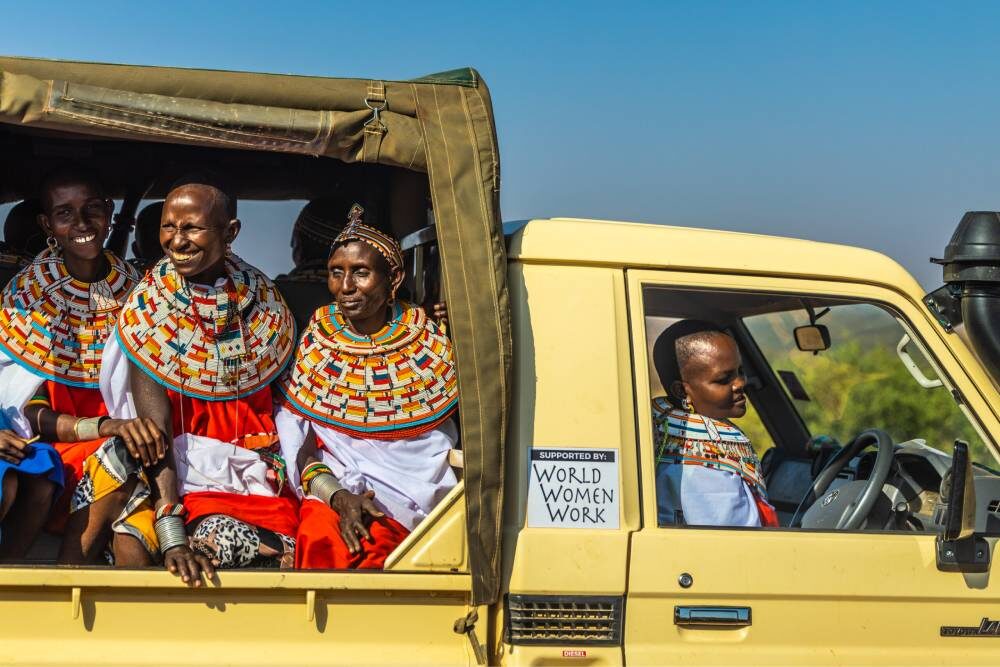
Featured Image: Our Mama Simba Manager, Munteli, the first woman from a village to drive in Samburu. Mama Simba was also her brainchild (together with Mparasaroi). © Anthony Ochieng Onyango
Published in Big Cats Magazine VOL 3/Issue 1/ January – February 2026