

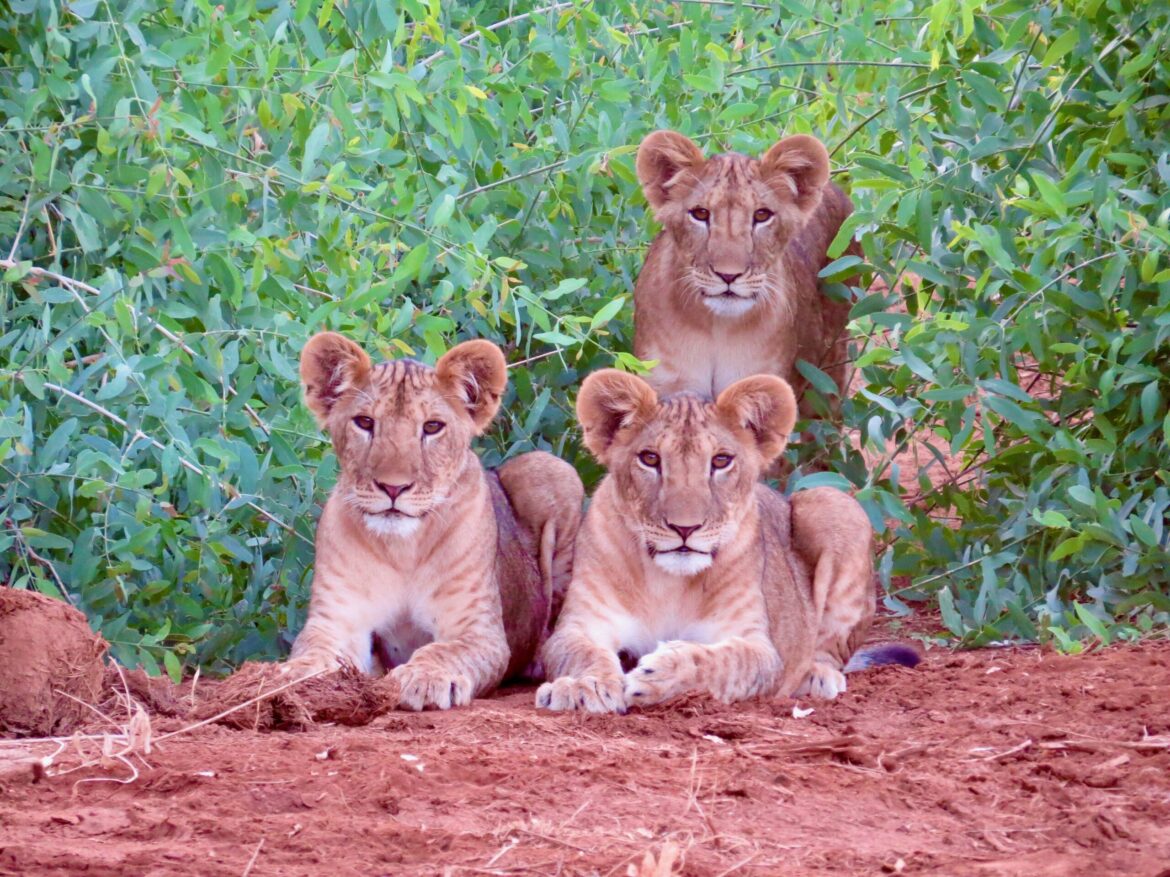
A new report from the International Union for Conservation of Nature (IUCN) has delivered a wake-up call for lion conservationists across the world. For the first time, lions (Panthera leo) have been assessed under the IUCN’s Green Status of Species, a tool that measures how close a species is to recovering its full ecological role. The results are sobering.
Globally, lions are now classified as “Largely Depleted”, with a species recovery score of just 30%. This means that across much of their range, lions have lost their historical ecological function and remain highly dependent on active conservation to survive. Even more alarming is the projection that without these conservation actions, lions would likely become Critically Endangered within just two decades.
Once widespread across Africa, the Middle East, and even parts of southern Europe, lions now occupy only 8% of their historical range. Habitat loss, human-wildlife conflict, poaching, and the loss of natural prey have all contributed to this sharp decline.
You can explore the full IUCN report here, which offers a global snapshot of lion recovery.
While the global outlook is bleak, there are bright spots, and Northern Kenya is one of them.
In 2024, Ewaso Lions documented promising signs of recovery within its conservation landscape:
- 15 lion cubs were born
- 92 lion sightings were recorded across the landscape
These numbers are not just statistics. They are signs of hope. In a region where lions once faced sharp declines due to conflict and shrinking habitat, these births and regular sightings indicate a stabilising and potentially recovering lion population.
At the heart of this success is a community-led approach to conservation. Through our programmes like Warrior Watch, Kura’s Pride, Lion Kids Camp, and Mama Simba, local people, from Samburu warriors to young livestock herders, are empowered to take the lead in protecting lions. By integrating traditional knowledge, addressing human-lion conflict, and nurturing pride in wildlife stewardship, Ewaso Lions is helping rewrite the story for lions in Kenya.
The IUCN’s Green Status doesn’t just measure how close a species is to extinction; it asks how fully a species is performing its role in the ecosystem. In many parts of Africa, lions no longer shape the environment the way they once did. But where conservation efforts are strong, lions are beginning to bounce back.
The global report makes it clear: recovery is possible, but only with sustained effort, funding, and community leadership. Without it, lions face an uncertain and diminished future.
Here in Kenya, the lions still have a chance, but they need your support.
Whether it is funding vital lion monitoring, supporting community-led initiatives, or helping young people learn to coexist with wildlife, your contribution makes a real difference.
Donate and help protect lions where they still have a chance to thrive.


