

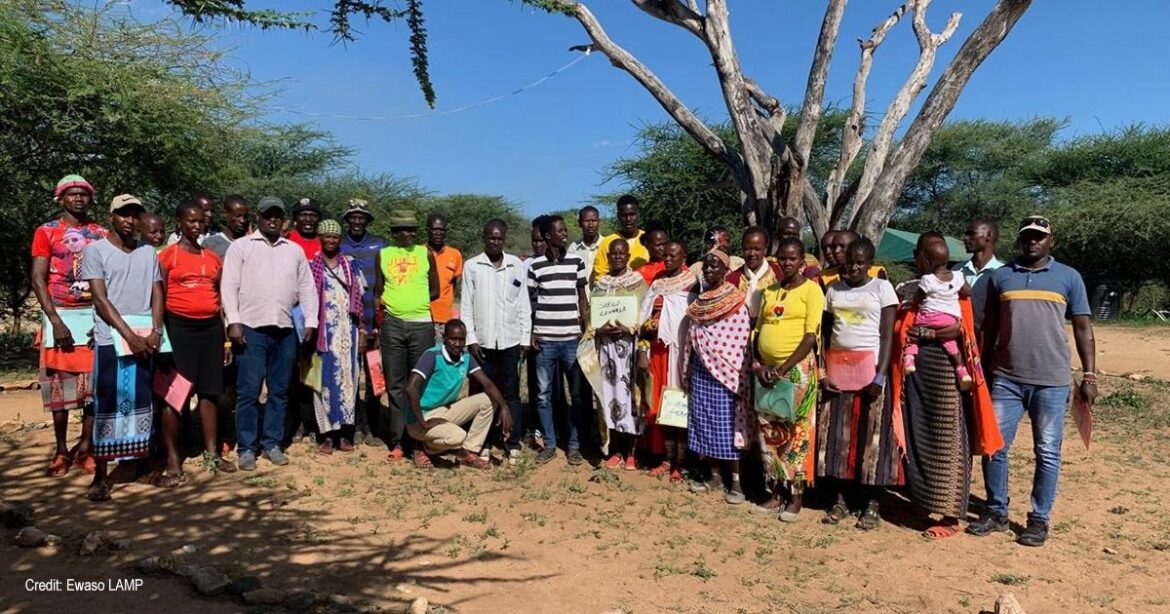
By Guy Pfeffermann Livestock and wildlife live along the Ewaso River in Kenya’s northern rangelands, a region frequently affected by prolonged droughts. Livestock are existential for the
S
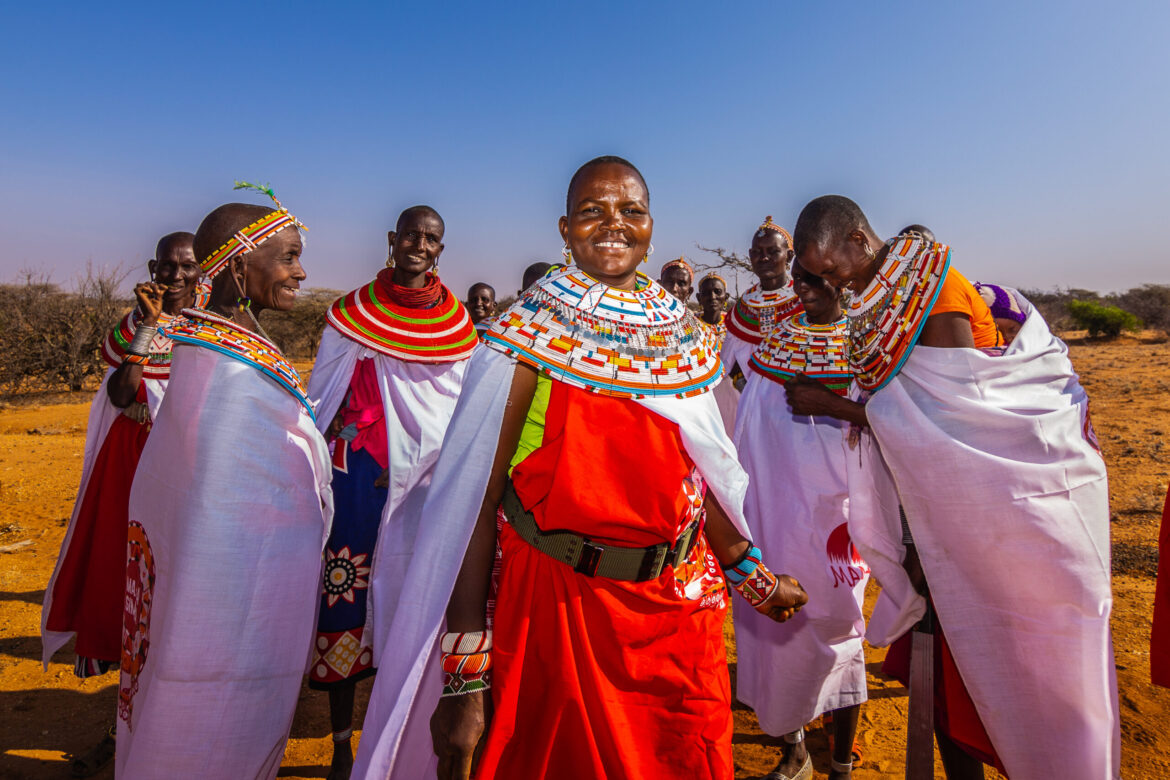
MONGABAY: Women can help rebuild our relationship with lions: Voices from the land (commentary)
The inclusion of women in Africa’s lion conservation efforts is essential to not only to protect the species, but to do so sustainably with the buy-in of nearby communities — which at times can
hav
FINANCIAL TIMES: The Kenyan conservationist on the animals she loved and the battle to protect her country’s wildlife
FT Magazine Life & Arts: The Kenyan conservationist on the animals she loved and the battle to protect her country’s wildlife Shivani Bhalla on tracking lions: ‘You get to know them so well’
By He
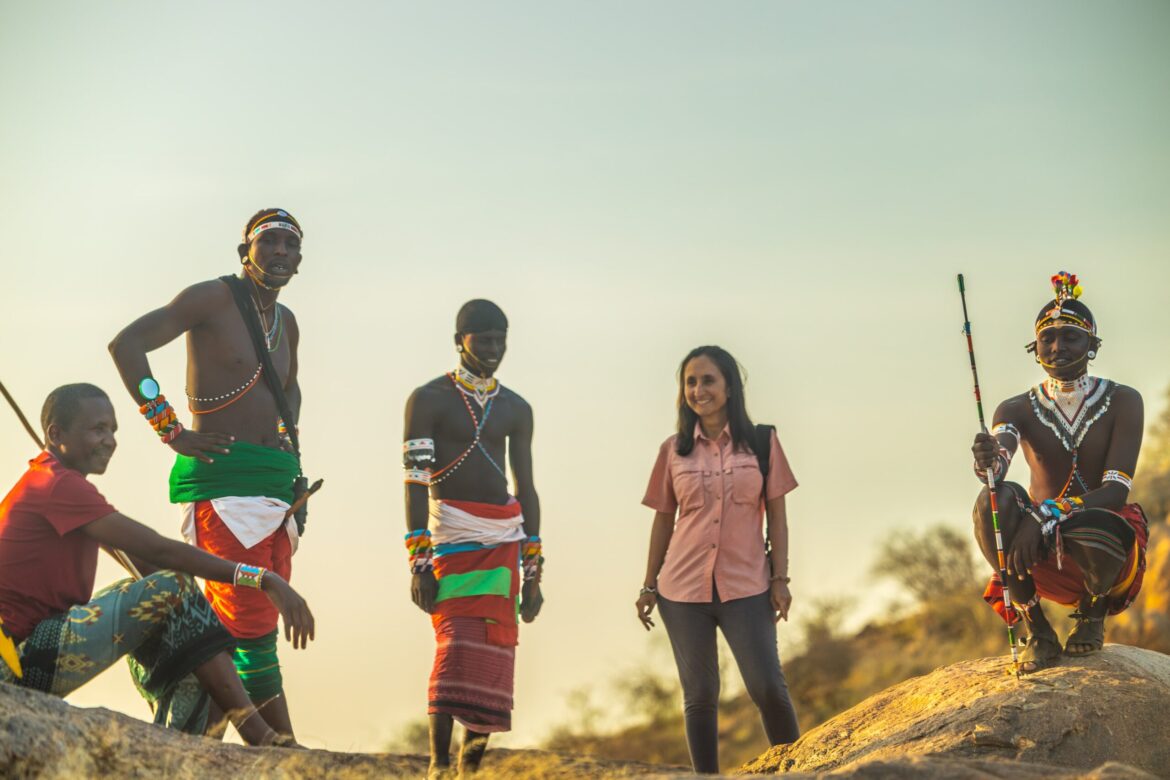
THE TIMES: How to save Africa’s lions? Ask the men who used to hunt them
The sun is rising high over northern Kenya, the air is hot and dry, and a young man is quietly making his way through the rocky scrubland that stretches for miles in every direction. His name is
CONSERVATION OPTIMISTS: Meet the optimists with Shivani Bhalla
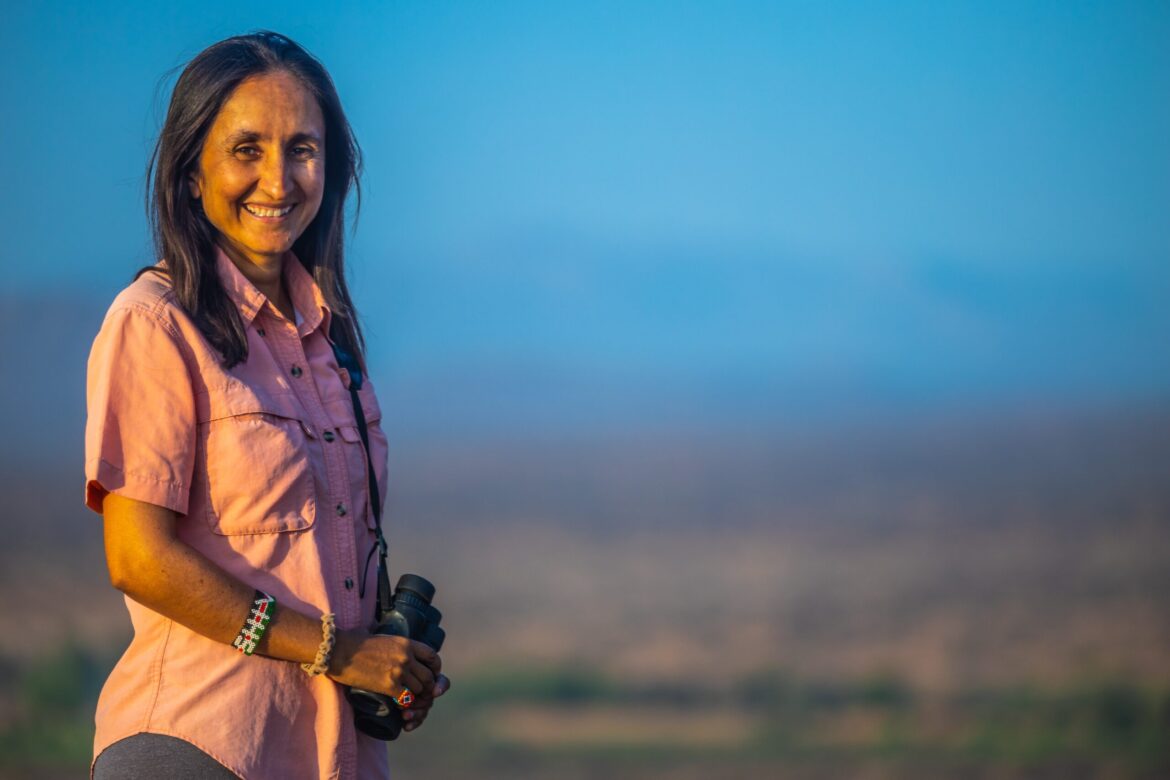
Meet the optimists: Shivani Bhalla Born and raised in Kenya, Dr. Shivani Bhalla believes the key to lion conservation is working in partnership with local communities. She founded Ewaso Lions in
2
THE NATION: Samburu women protecting lions for the good of ecosystem
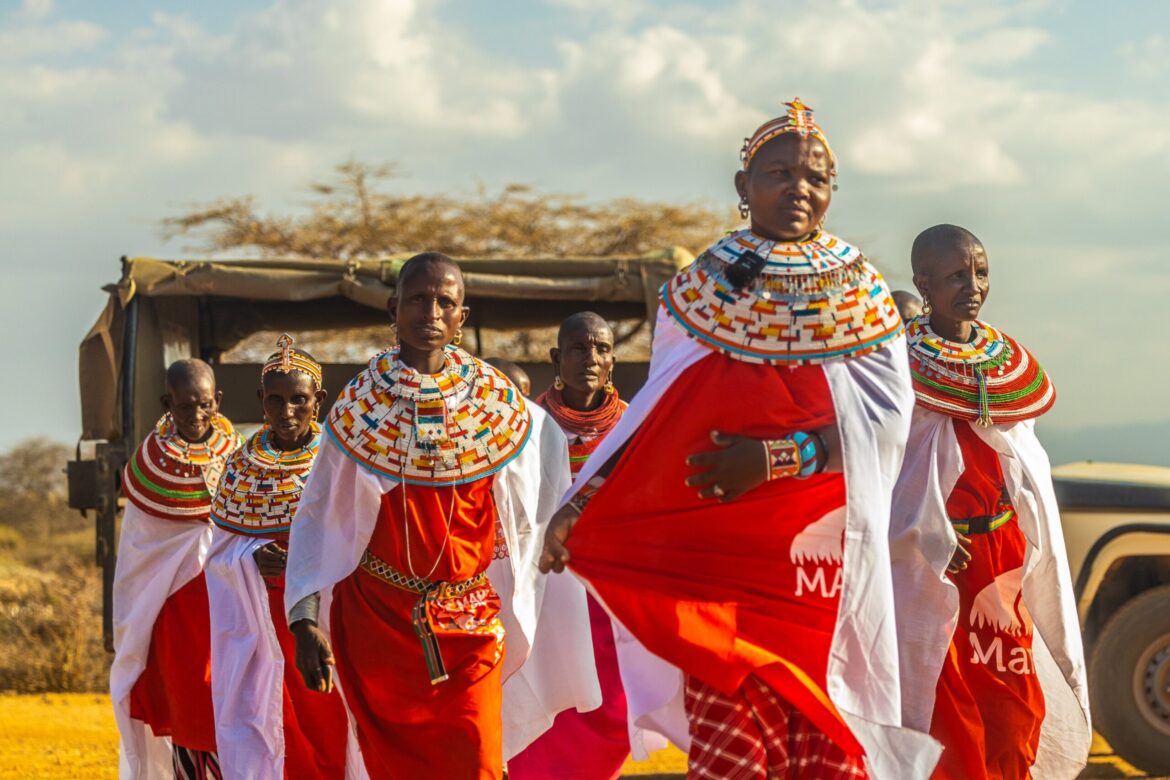
As the world wobbles from the effects of climate change, communities that were hitherto peacefully coexisting with wildlife are now finding themselves at loggerheads with the animals as spaces between
Adding nuance to our conservation conversations
We’ve been speaking boldly about the ways in which the conversation narrative has to change in Kenya and across Africa, most recently in the TED talk that featured Ewaso Lions work. But too often,
i
Keeping animals wild vs ‘safe’ should be prioritized, lion biologists argue (commentary)
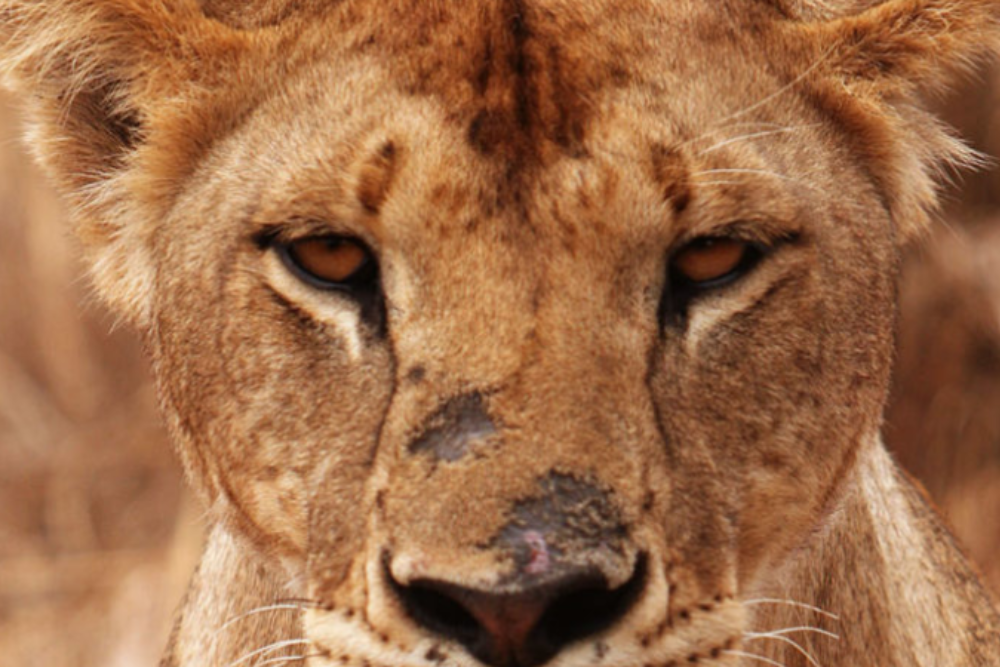
Contrary to what many assume, wilderness does not have to exclude humans: in many places, the rights, cultures, and lives of local people are exactly what maintains wildlife across these vast areas. Human presence does not negate what it means to be wild
The Resiliency of Conservation
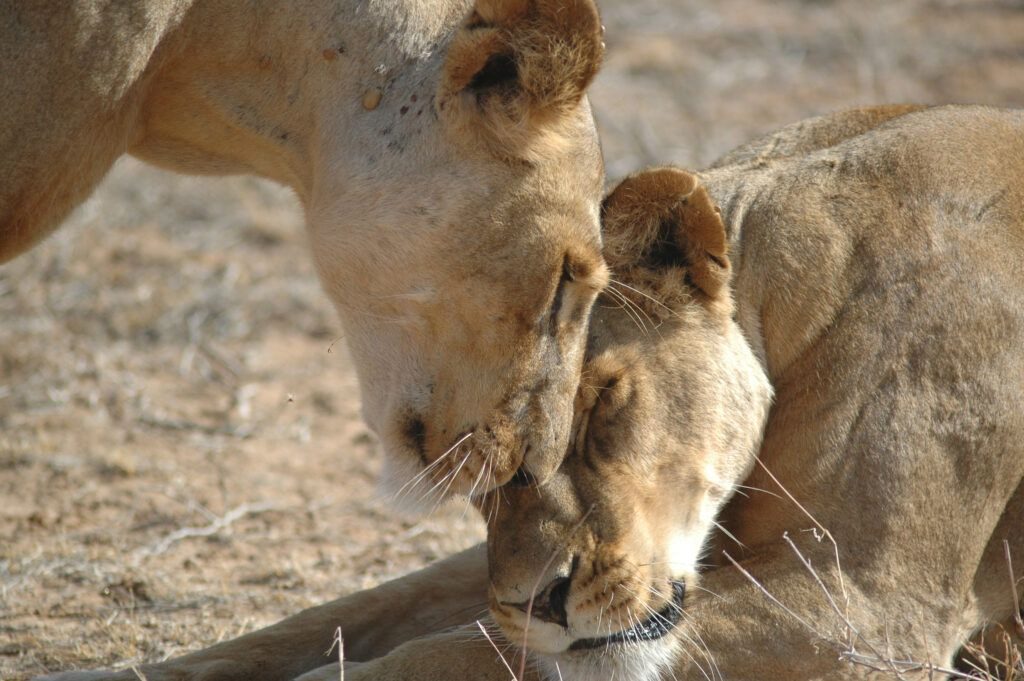
GZT and EL have worked together before. They both operate in the same area and employ many of the same conservation techniques. This year, the pandemic forced both groups to adapt. Meetings they once held with locals to reduce conflict with lions now happened in smaller groups