
A milestone moment for people, livestock, wildlife, and the roads we share in northern Kenya: 26 new wildlife crossing signs now stand along the A2 Highway in northern Kenya, marking years of data, dedication, and collaboration.
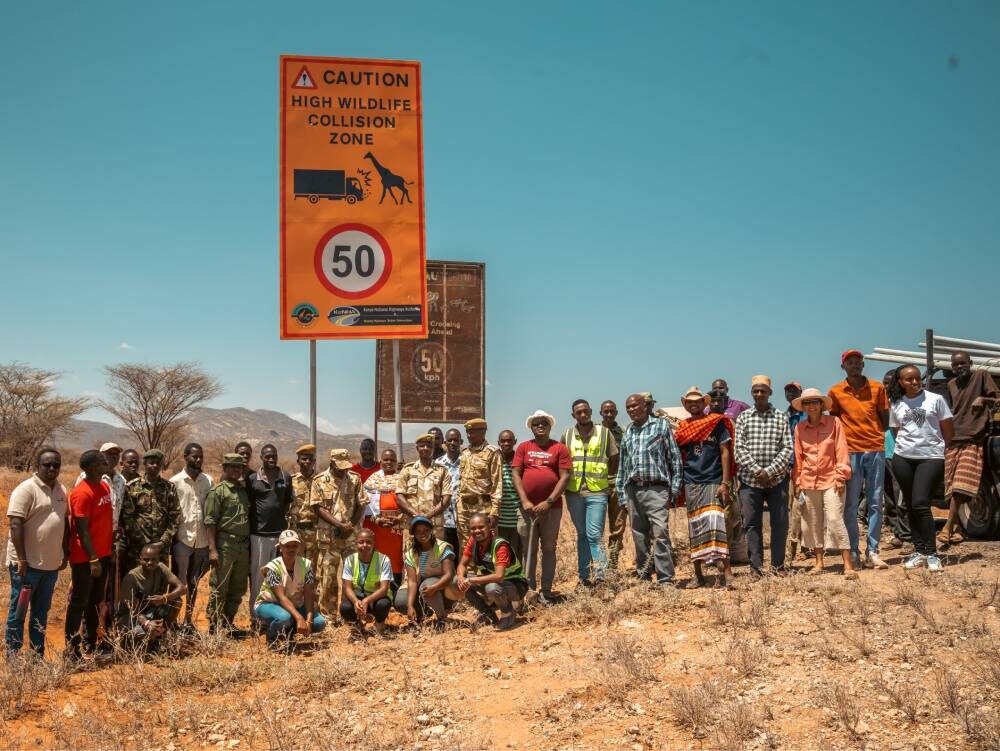
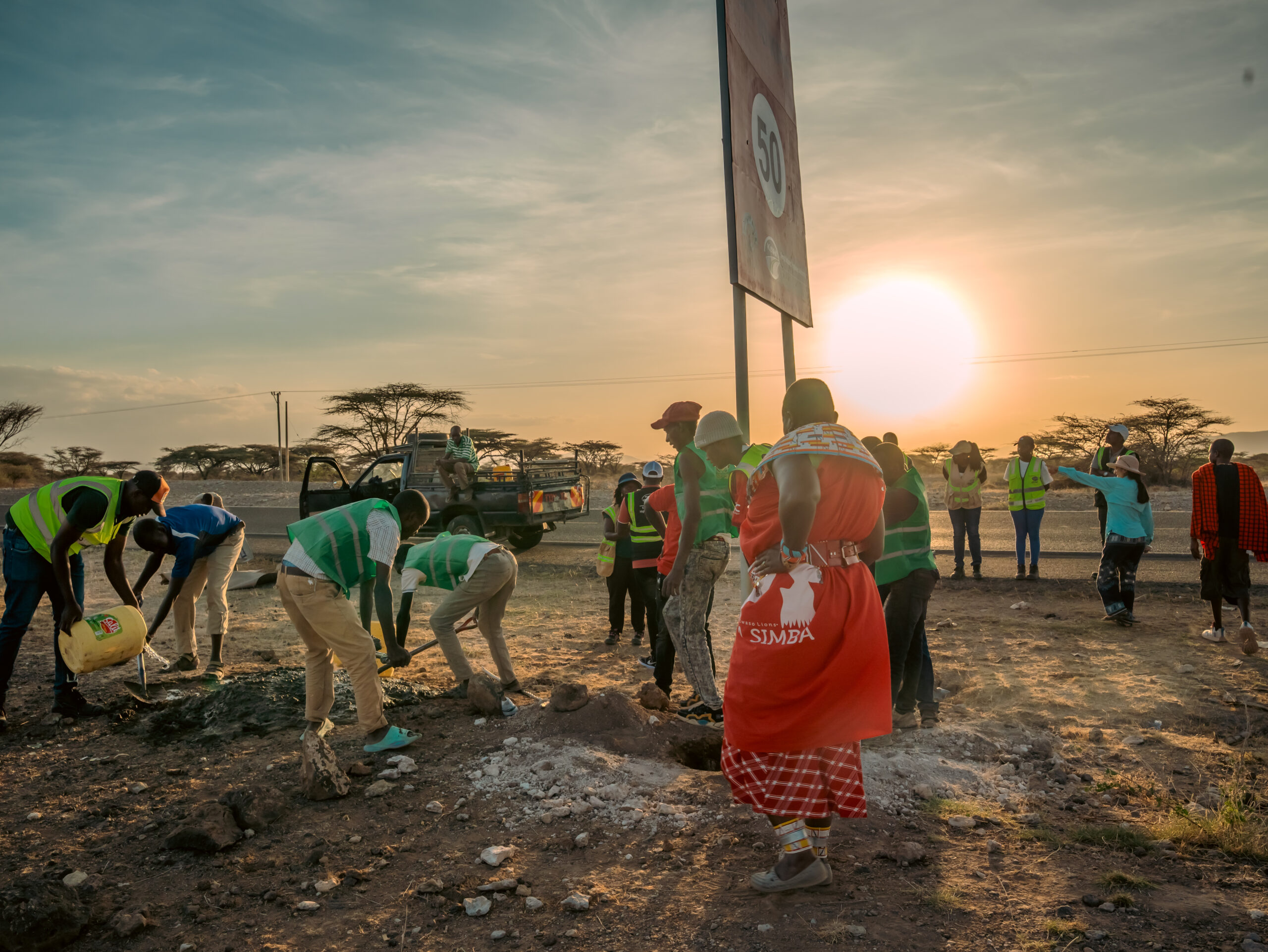
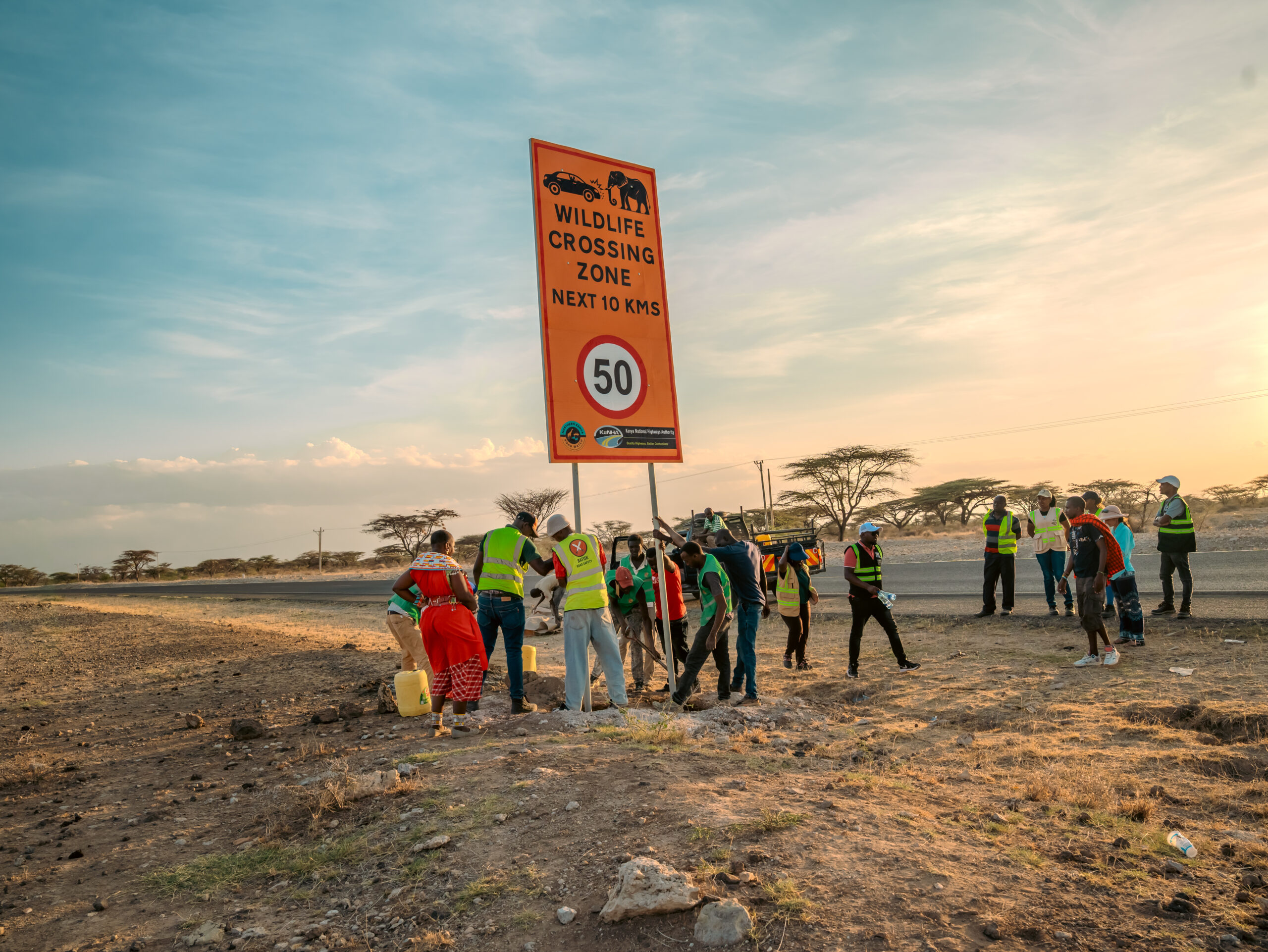
In February 2026, we celebrated a significant milestone: the installation of 26 wildlife and livestock warning road signs along key wildlife corridors of the A2 Highway. This is not just about road signs. It is about recognising that the roads cutting through our landscape are also shared by lions, elephants, zebras, and the livestock of the communities who call this place home.
The A2 Highway passes through some of the most important habitats and wildlife corridors in northern Kenya, cutting across National Reserves and Community Conservancies, including Kalama Community Conservancy, where wildlife and people continue to coexist. This Highway is essential for northern Kenya, and so is ensuring it is safe for every user of this landscape, whether people, livestock, or wildlife.
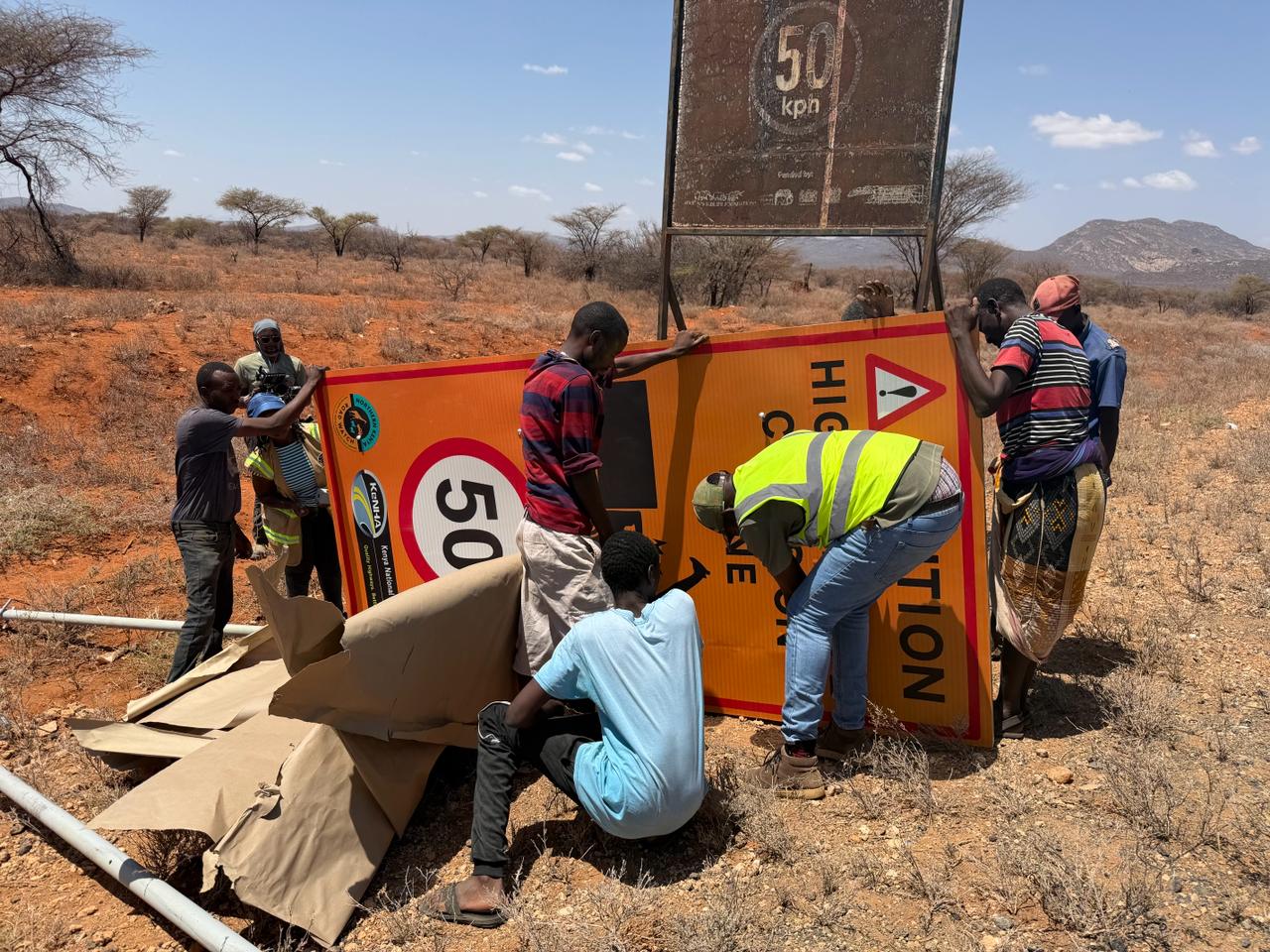
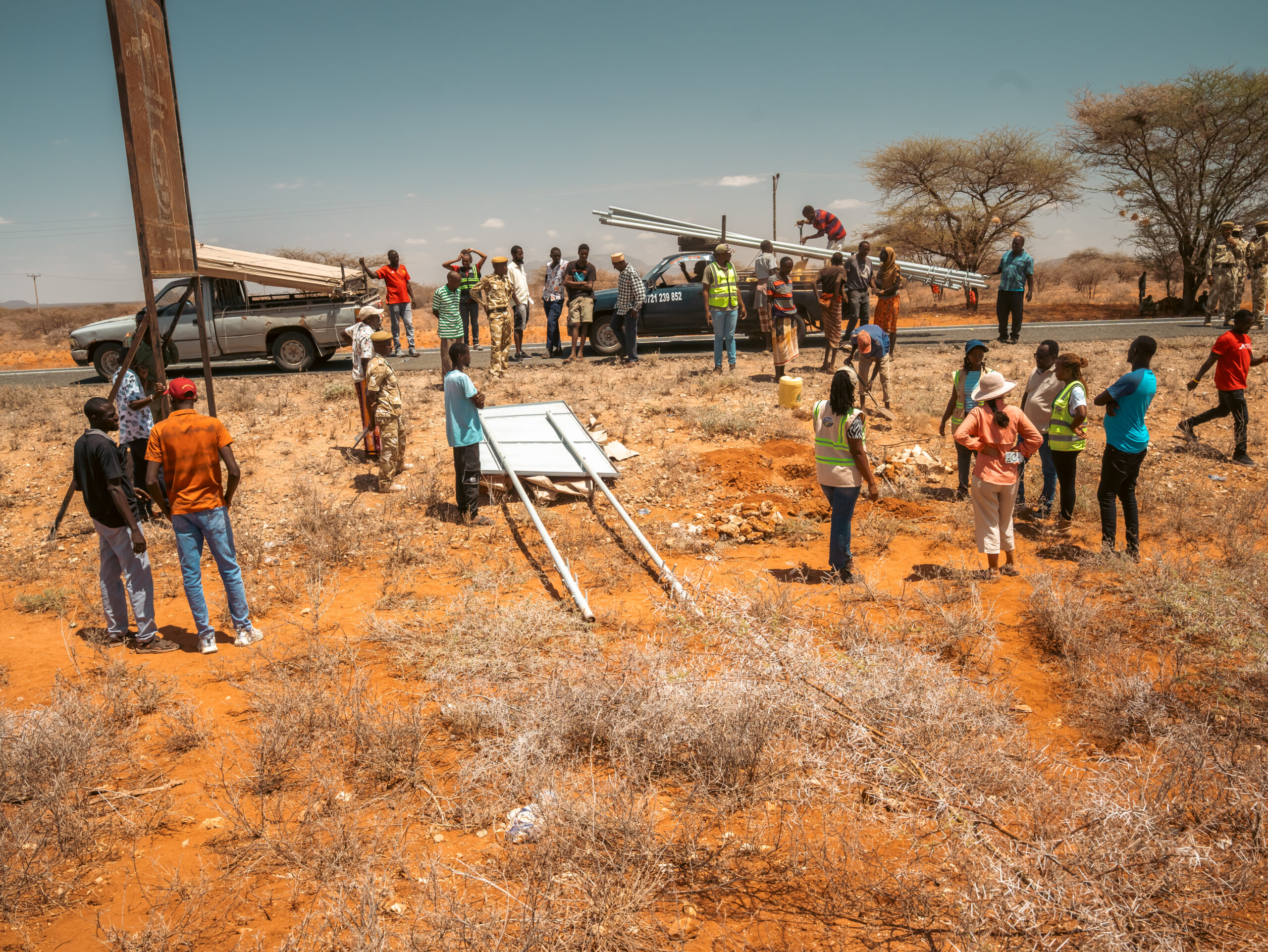
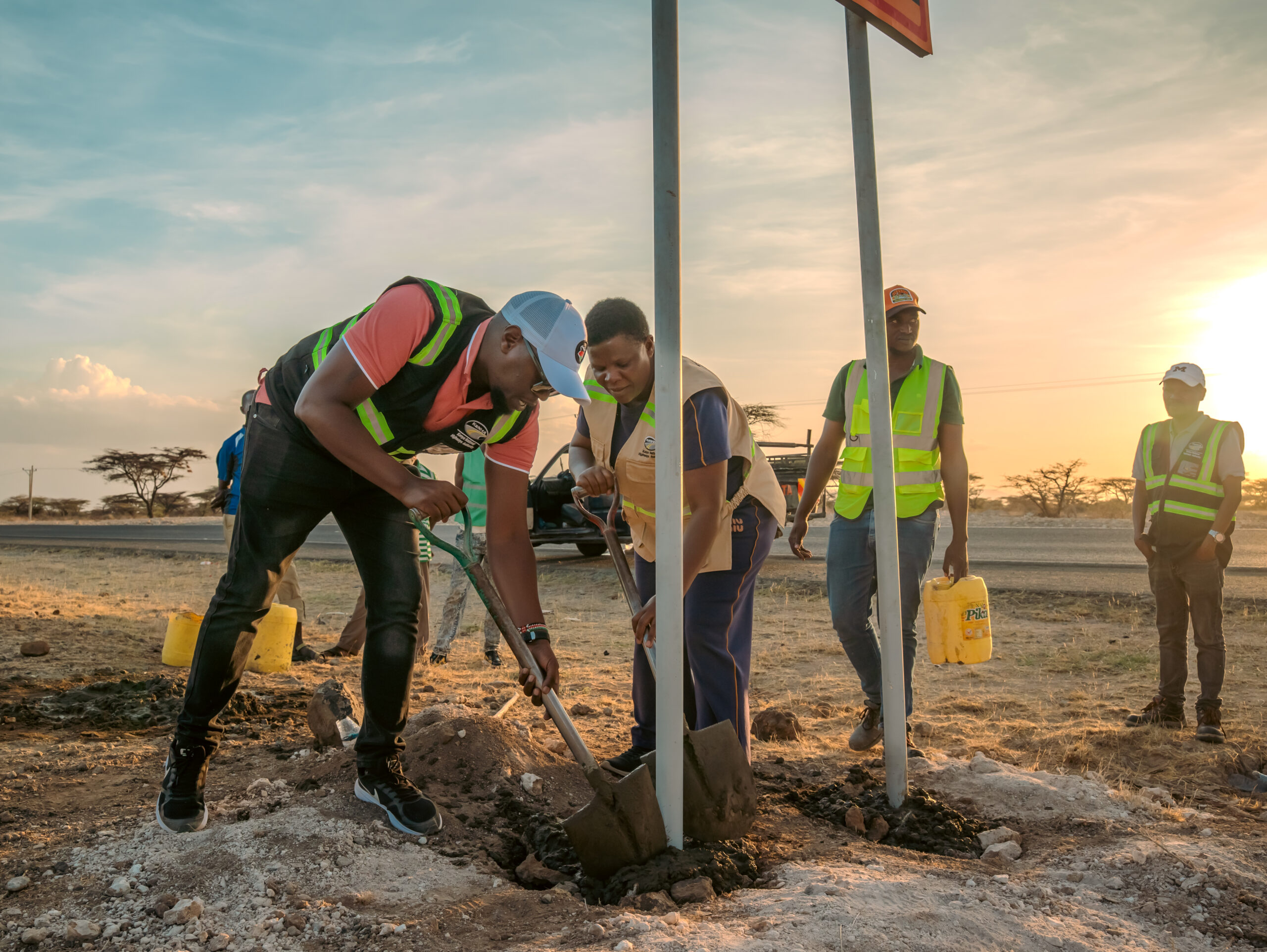
Where the Signs Are and Why It Matters
The 26 signs have been strategically placed in high-risk areas where wildlife-vehicle collisions have been documented over many years. Over 400 animals have been killed along the A2 Highway in northern Kenya over the past decade, including 2 lions hit between Buffalo Springs and Shaba National Reserves. By alerting drivers to wildlife crossing zones, these signs act as a first line of defence, slowing drivers down, raising awareness, and ultimately saving lives on both sides of the road.
The placement of these signs was based on data collected over many years through the Northern Kenya Road Watch. Citizen Science was a key aspect where drivers, community members, and conservation partners alike provided a robust dataset on how wildlife traverses the landscape, tracking movement patterns, identifying pinch-points and critical corridors, and building the evidence base needed to act.
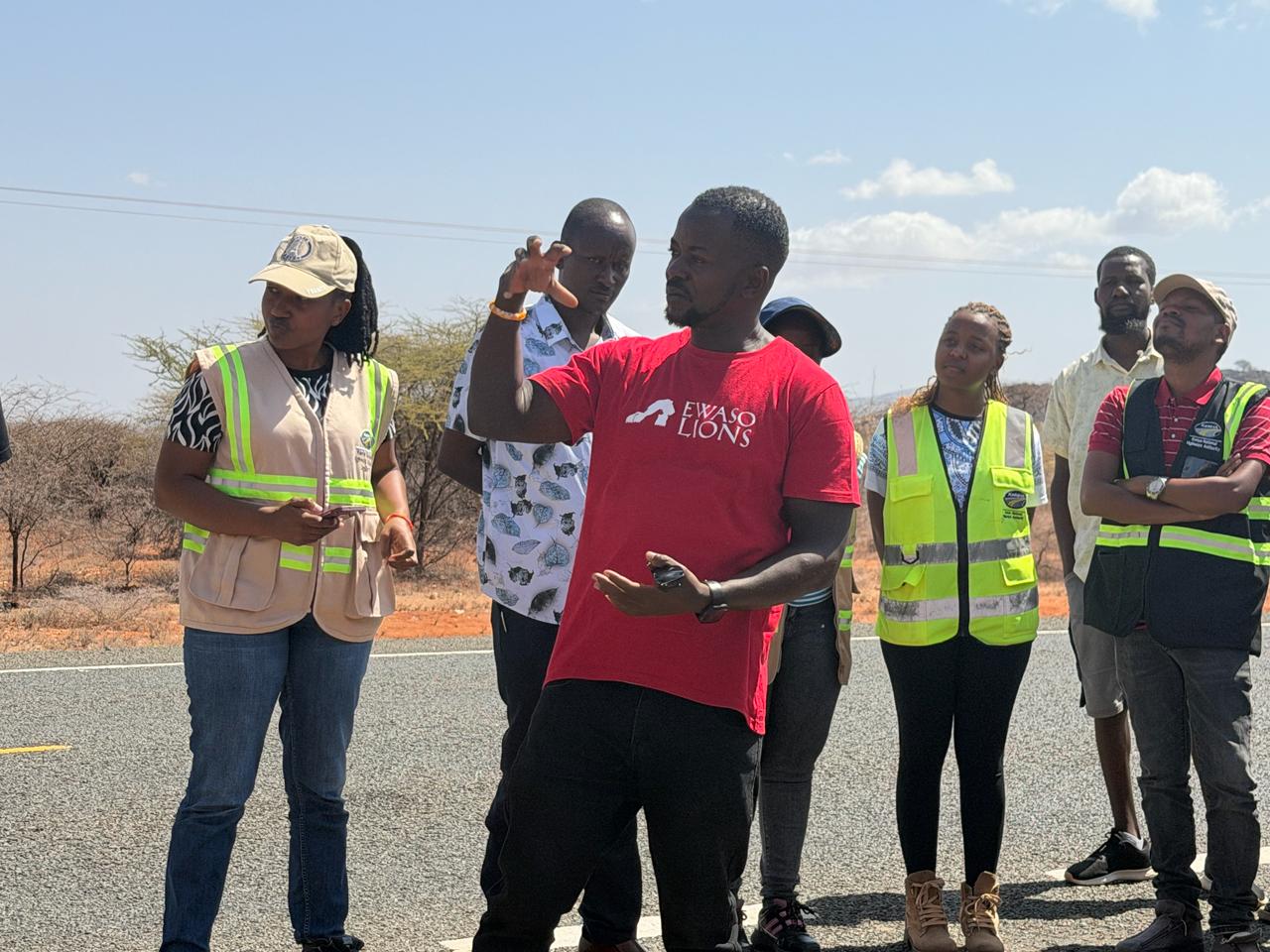
A Long-Term Message
While these signs are a short-term mitigation measure, they carry a long-term message: that the threats facing wildlife in shared landscapes are real, that they are being taken seriously, and that action is possible. Road kills have been a serious concern across this landscape for years. Seeing tangible, on-the-ground action is something we do not take for granted.
There is still much work to be done. But every sign installed is a signal, to drivers, to communities, and to the wildlife navigating this landscape, that this road can be made safer. That we are paying attention.
 The Power of Collaboration
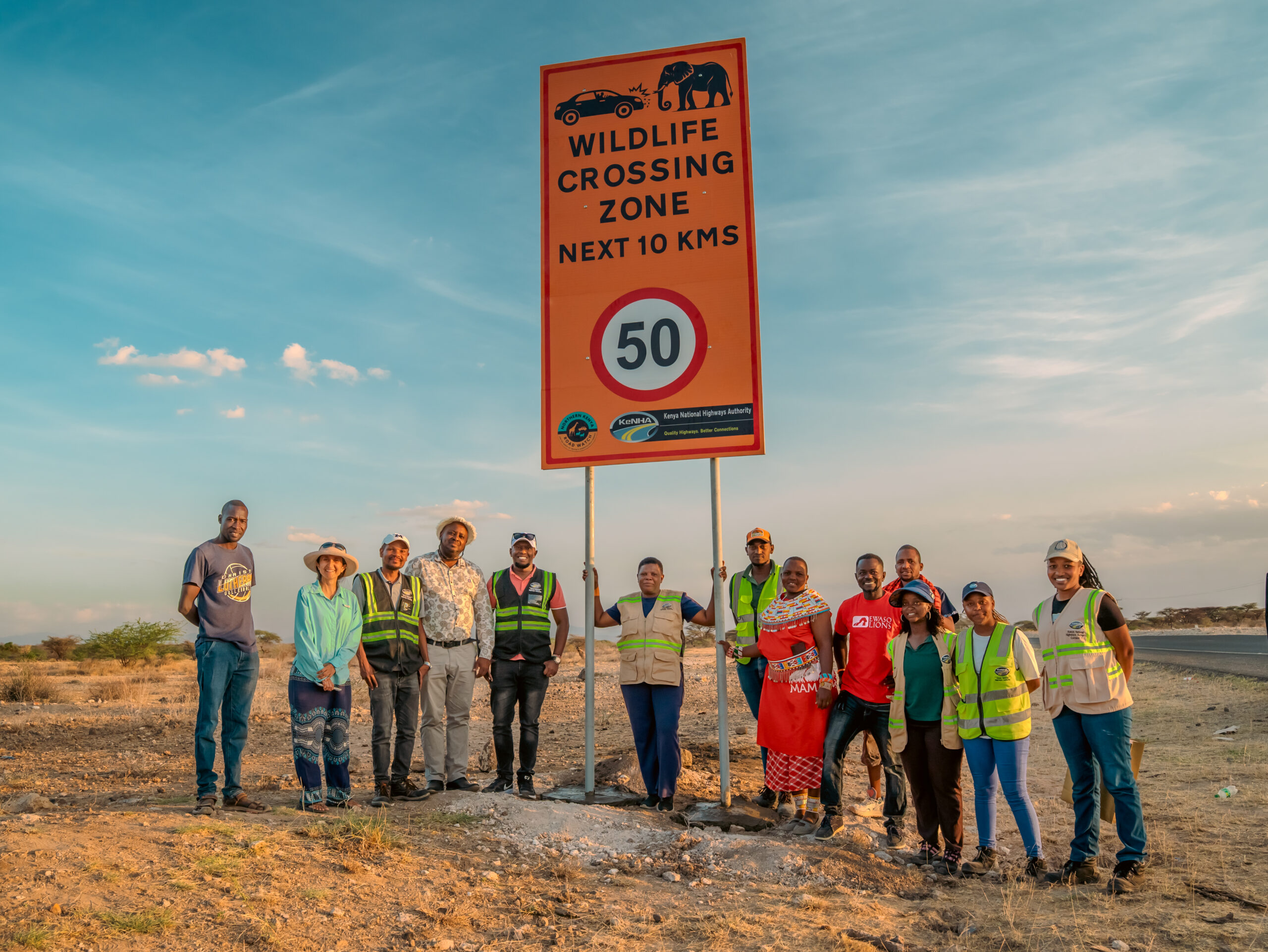
This achievement represents years of collaborative work to reduce roadkill, protect lions and livestock from being hit, and ensure road-user safety in the landscape we all share and would not have been possible without the dedication and partnership of many. The Kenya National Highways Authority (KeNHA), the Northern Kenya Road Watch and all its partners, Kenya Wildlife Service (KWS), the National Reserves, Westgate Community Conservancy and Kalama Conservancy all played a critical role. Their collective commitment to finding solutions is a powerful reminder of what is possible when conservation organisations, government agencies, and local communities work together toward a shared goal.
We are also grateful to Action for Cheetahs, the Grevy’s Zebra Trust and Save the Elephants, among others, whose contributions to the data collection and initiative made this possible. Conservation at this scale demands exactly this kind of coordinated, cross-sector effort. We are also grateful to Ewaso Lions donors for funding the construction of these road signs.
Written by Victoria Wanjohi and photos by Simatwa Ngachi.