
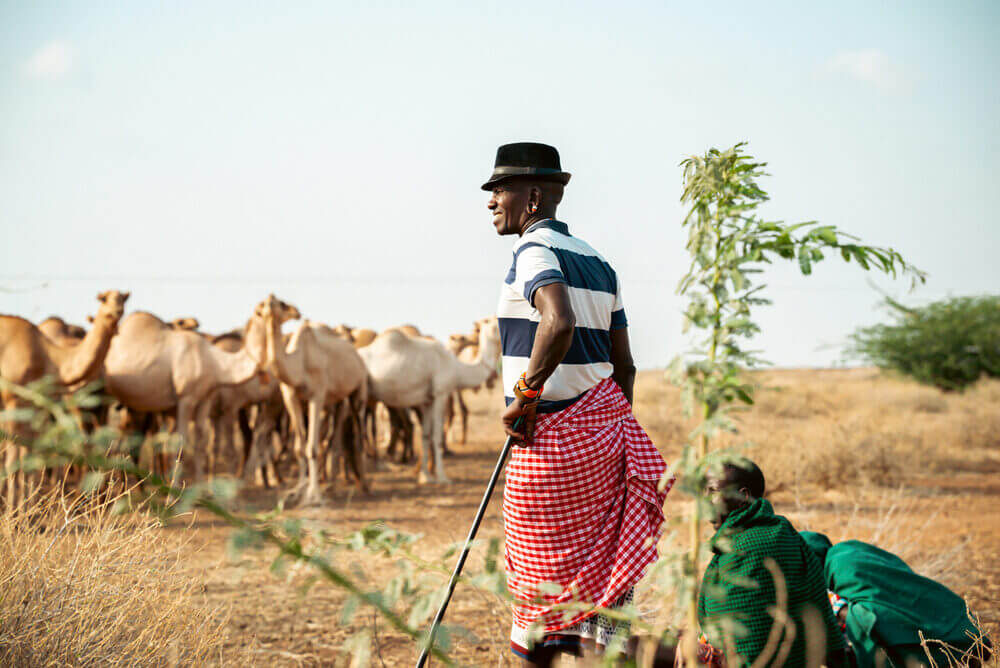
In Kenya, camels have traditionally been the domain of pastoralist communities such as the Rendille, Gabra, Somali, Borana, and Turkana, who have herded these resilient animals for generations in the country’s arid northern regions. However, a shift is now unfolding in Samburu County, where a community historically known for cattle herding is adapting to a new reality driven by climate change.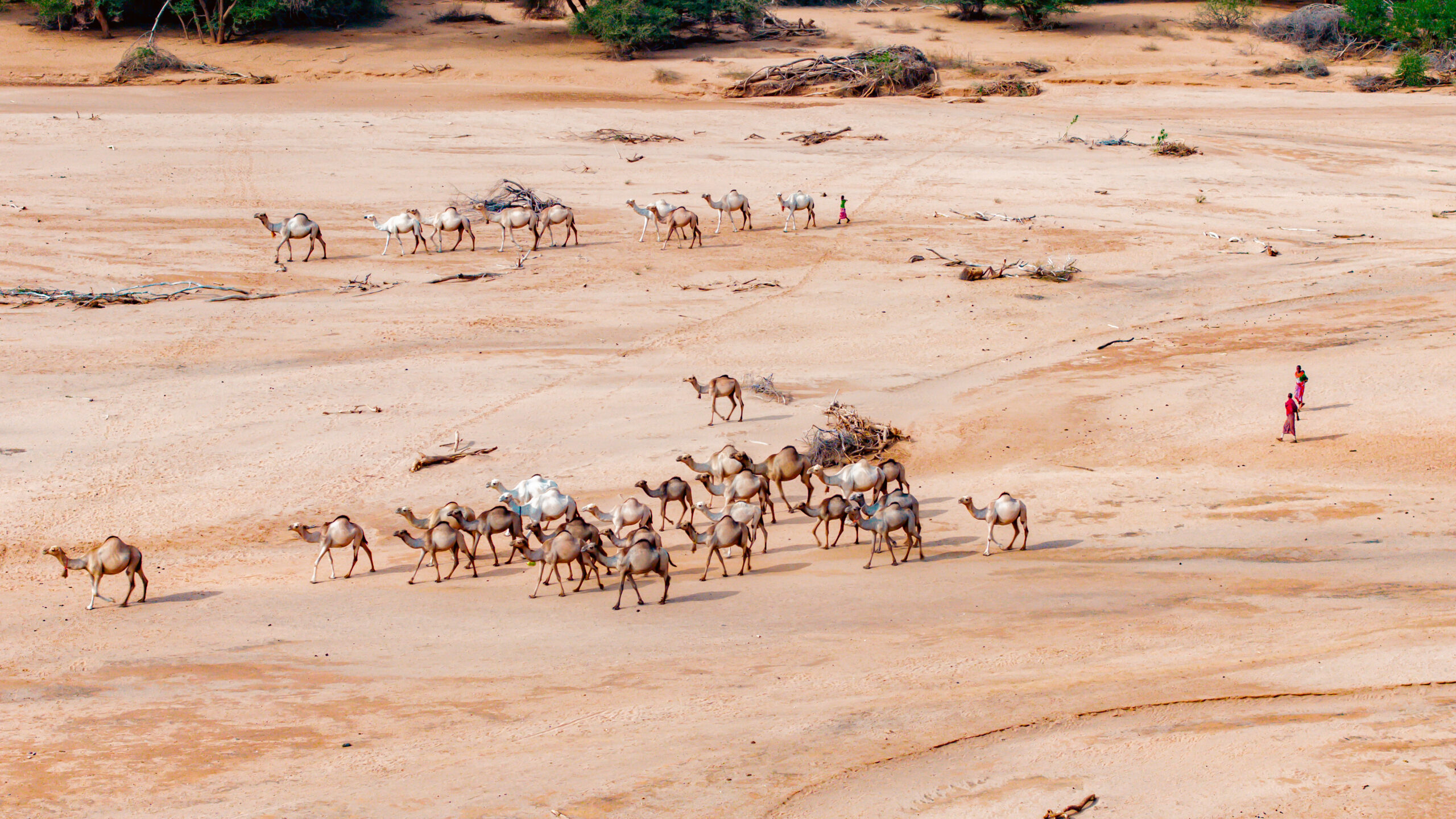
The Beginning
The conversation about camels for Ewaso Lions began in 2023 when we noticed a significant increase in camel-lion conflict across the Samburu landscape. Over the past five to ten years, there has been an unprecedented rise in camels in the region as communities increasingly replace their traditional cattle herds with these more drought-resistant animals. This transformation represents a direct response to climate change: frequent and severe droughts have been decimating cattle populations, forcing pastoralists to seek more resilient alternatives.
But this change came with an unforeseen and deadly consequence. The Samburu are cattle people, not camel people. For generations, they have understood how to manage their livestock in ways that reduce conflict with the lions that share their landscape. That knowledge, however, does not translate to camel herding.
The crisis reached a critical point in May 2024 when we observed that numerous camels were being lost to lion predation. The problem was in inadequate camel husbandry. Unlike cattle, which Samburu herders knew how to protect and manage, camels require different herding techniques and more intensive supervision. Without proper training, the camels were often left unattended or inadequately guarded. The herding methods that worked for cattle simply did not work for camels, which are harder to keep together and require specialised knowledge.
Making matters worse, the camels coming into Samburu had no fear of predators. They would walk directly into lions, making them easy prey. For the lions, it was an easy meal; for the Samburu communities and the conservation efforts in the region, it was an escalating disaster that threatened both livelihoods and the fragile coexistence between people and wildlife.
The Learning Trips
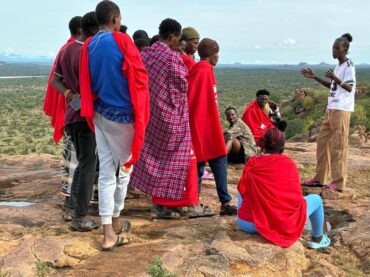
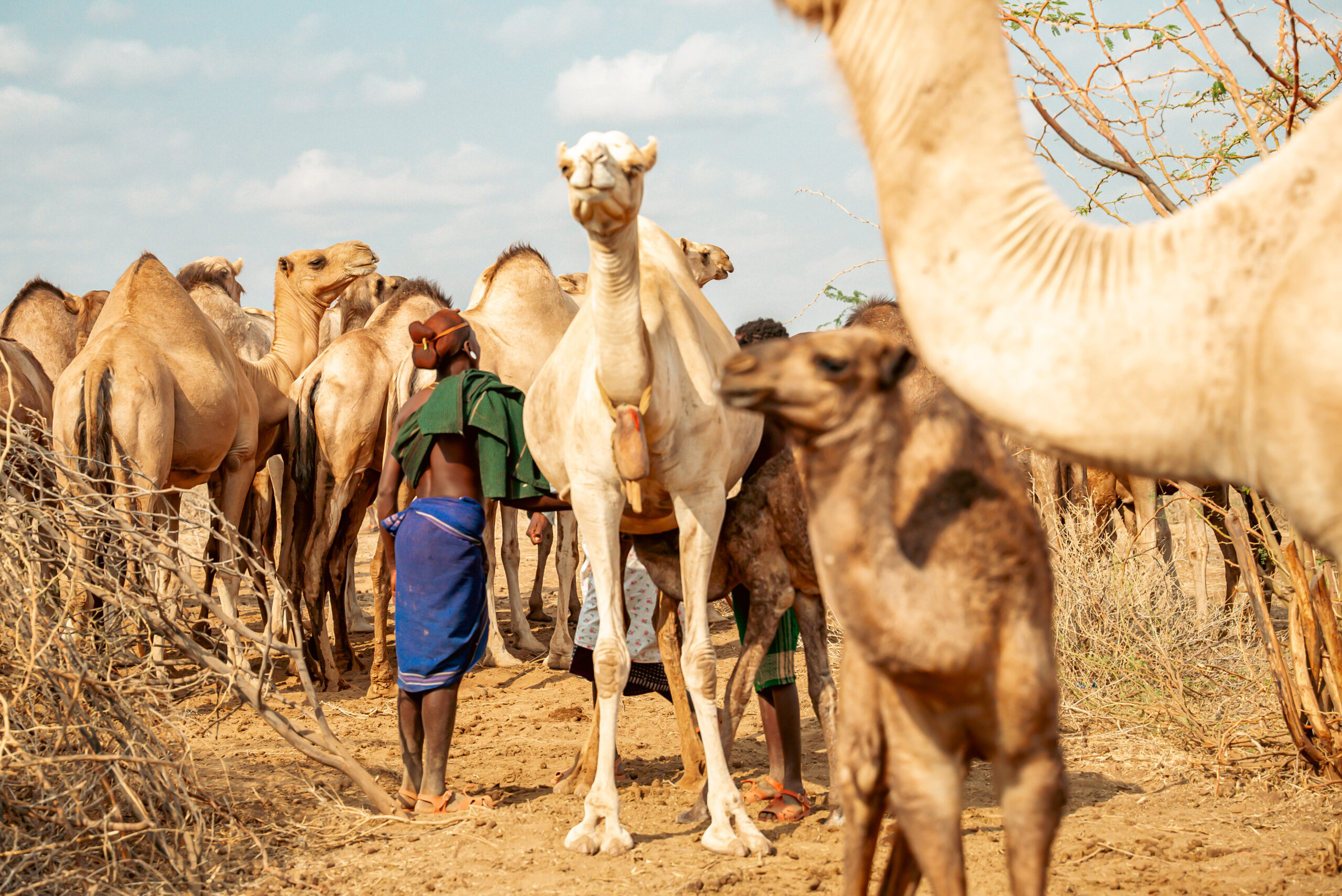
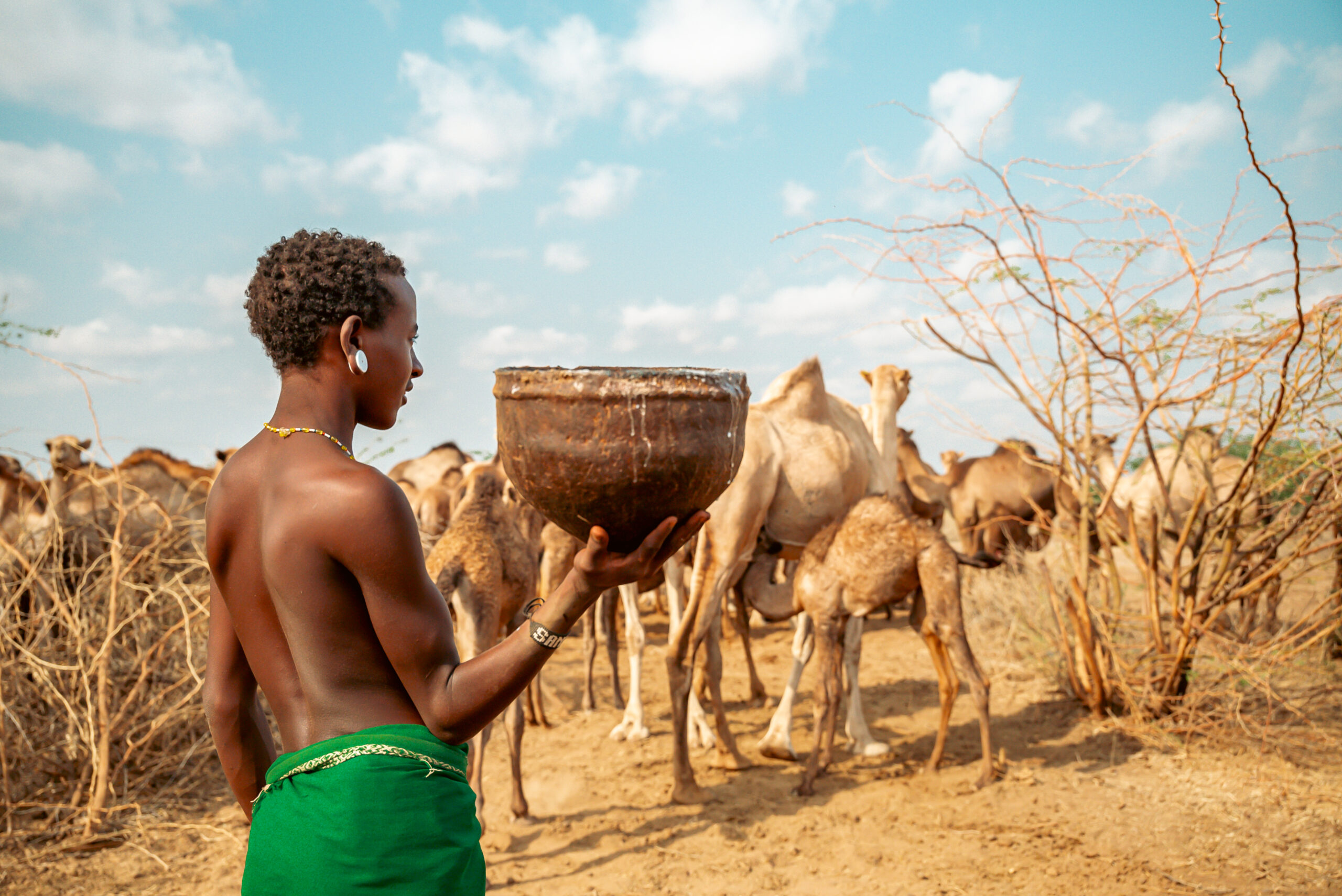
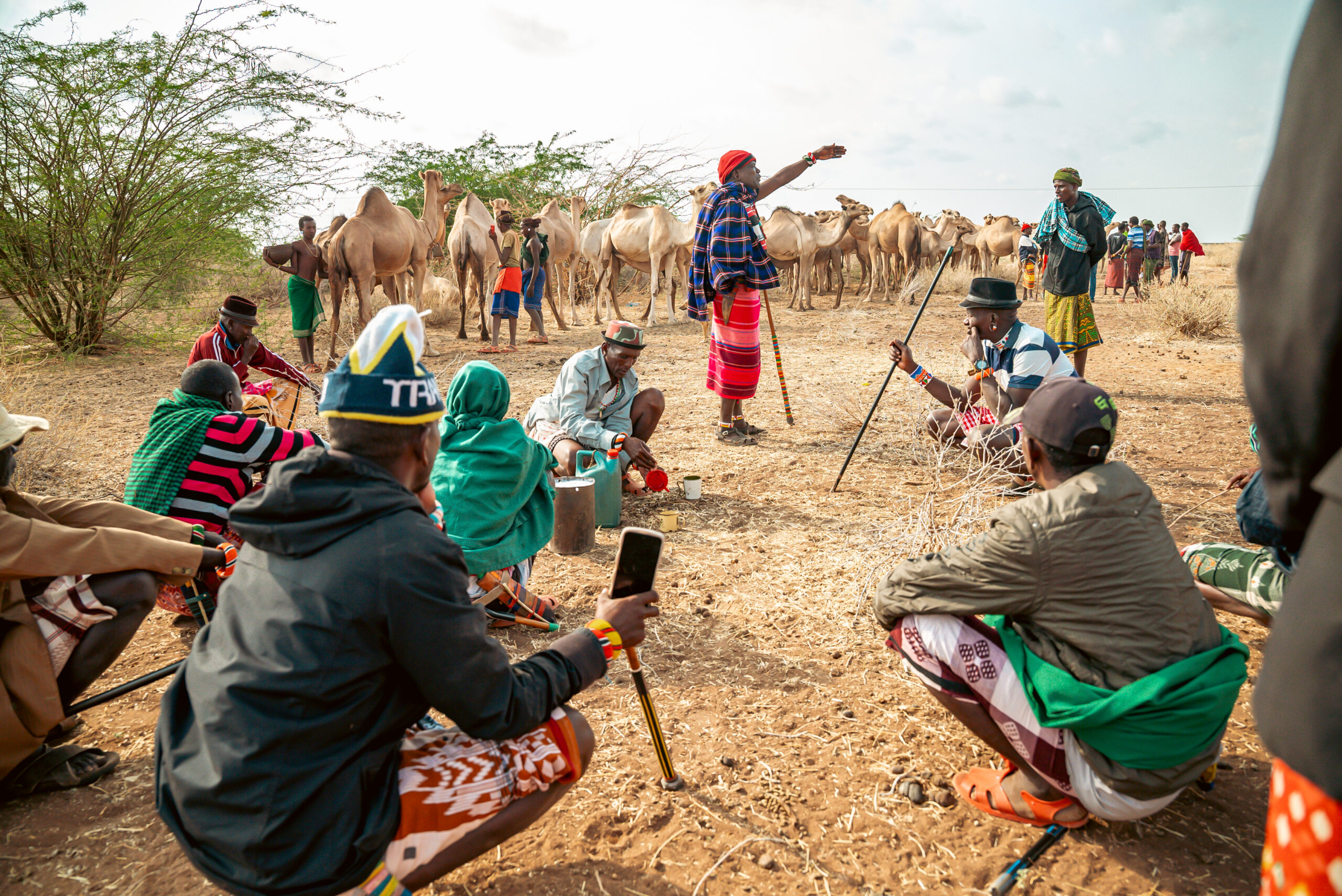
Late in 2024, Jeneria Lekilelei, Ewaso Lions’ Community Conservation Director, began discussions on how to address this problem. The solution was both simple and profound: take Samburu elders north to Marsabit to learn from the Rendille, who have centuries of experience in camel husbandry. These learning trips would bridge the knowledge gap and transfer essential skills from one community to another.
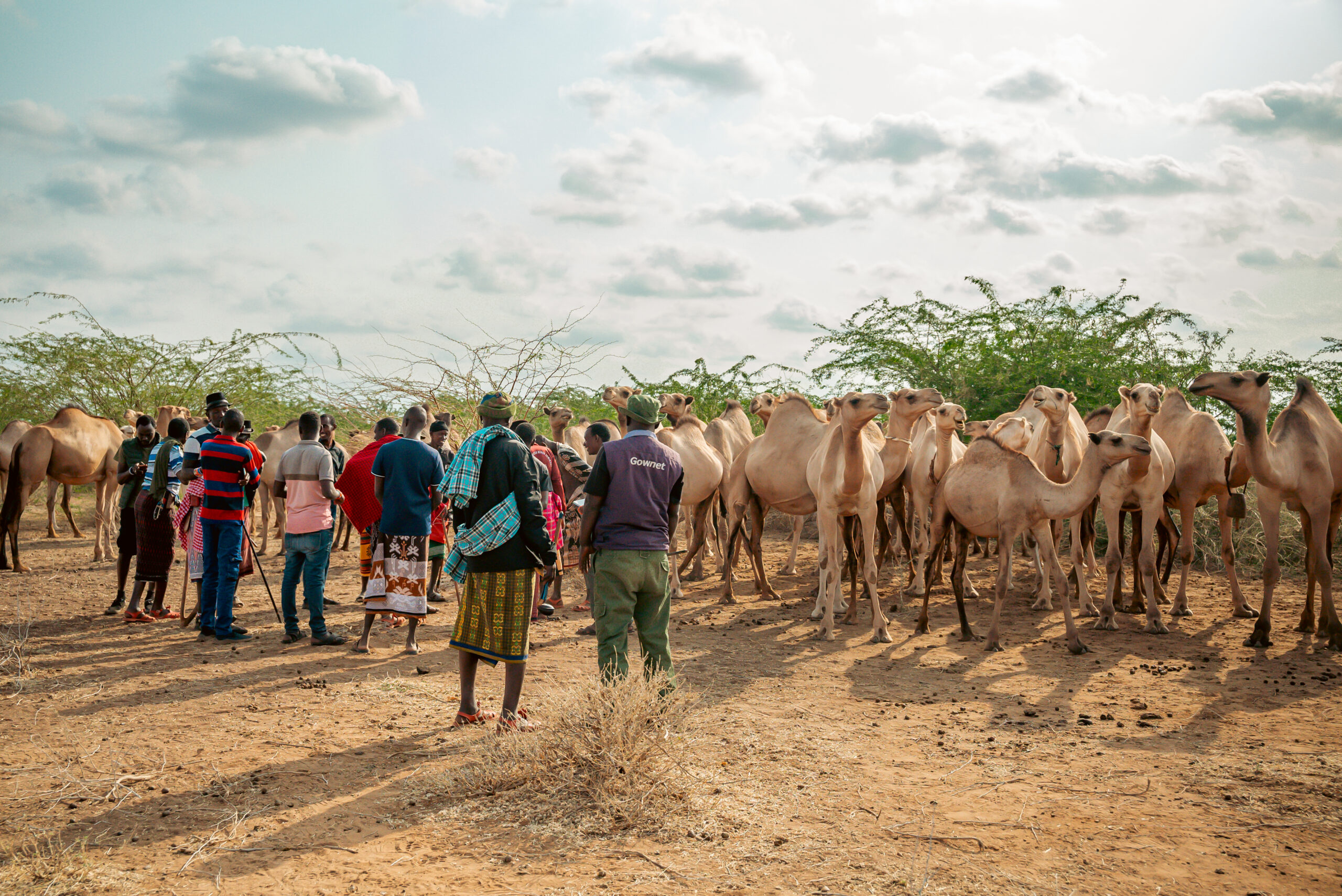
What began as a trial initiative has evolved into a comprehensive training programme that is already showing remarkable results. The camel husbandry learning trips have brought together 36 male participants from Westgate Conservancy, building connections between communities and strengthening the vital link between proper animal husbandry and peaceful coexistence with lions.
The demographics of participants reflected the intergenerational nature of the challenge: 42% were between 35 and 49 years old, 36% were between 50 and 65 years, and 22% were between 20 and 34 years. Notably, 94% of participants were completely new to camel herding, highlighting the urgent need for this training.
The training sessions were comprehensive, covering camel herding techniques, grazing patterns, and disease recognition. Importantly, they also emphasised cultural beliefs and the crucial role of elders in pastoral societies. Participants responded enthusiastically to this holistic approach. 22 elders highlighted camel herding techniques as a key takeaway, while 21 elders noted grazing and movement patterns as particularly valuable. The perceived community benefits included enhanced skills and reduced carnivore conflict, with 23, 21, and 17 participants citing these advantages, respectively.
Measuring success
The impact of the training was measurable and substantial. A post-training survey revealed a dramatic increase in participants’ confidence in their ability to enhance camel herding practices, with ratings jumping from (on a Likert scale of 1 to 5, where 1 is “not at all confident” and 5 is “very confident”). Even more significantly, the training reinforced the importance of coexisting with lions, reflected in a post-training rating of 4.28, up from 3.25.
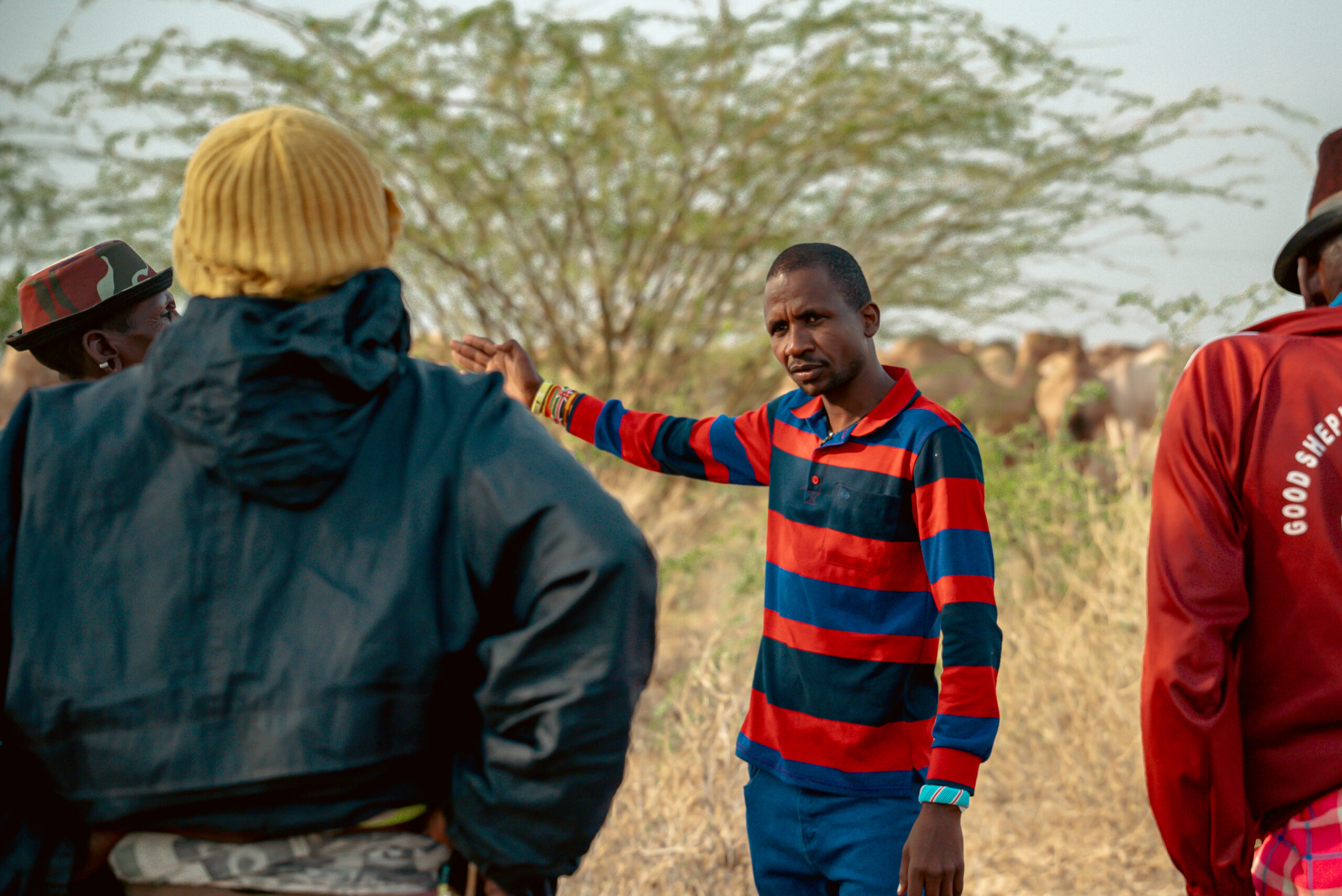
Beyond the numbers, the real-world impact has been striking. As Jeneria observed, “The camel husbandry learning trips have led to quick impact already! We have noticed conflict between lions and people has reduced, and our elders are taking more ownership over looking after camels and training them. I am excited to see what more we can do to reduce conflict further.”
Moving ahead
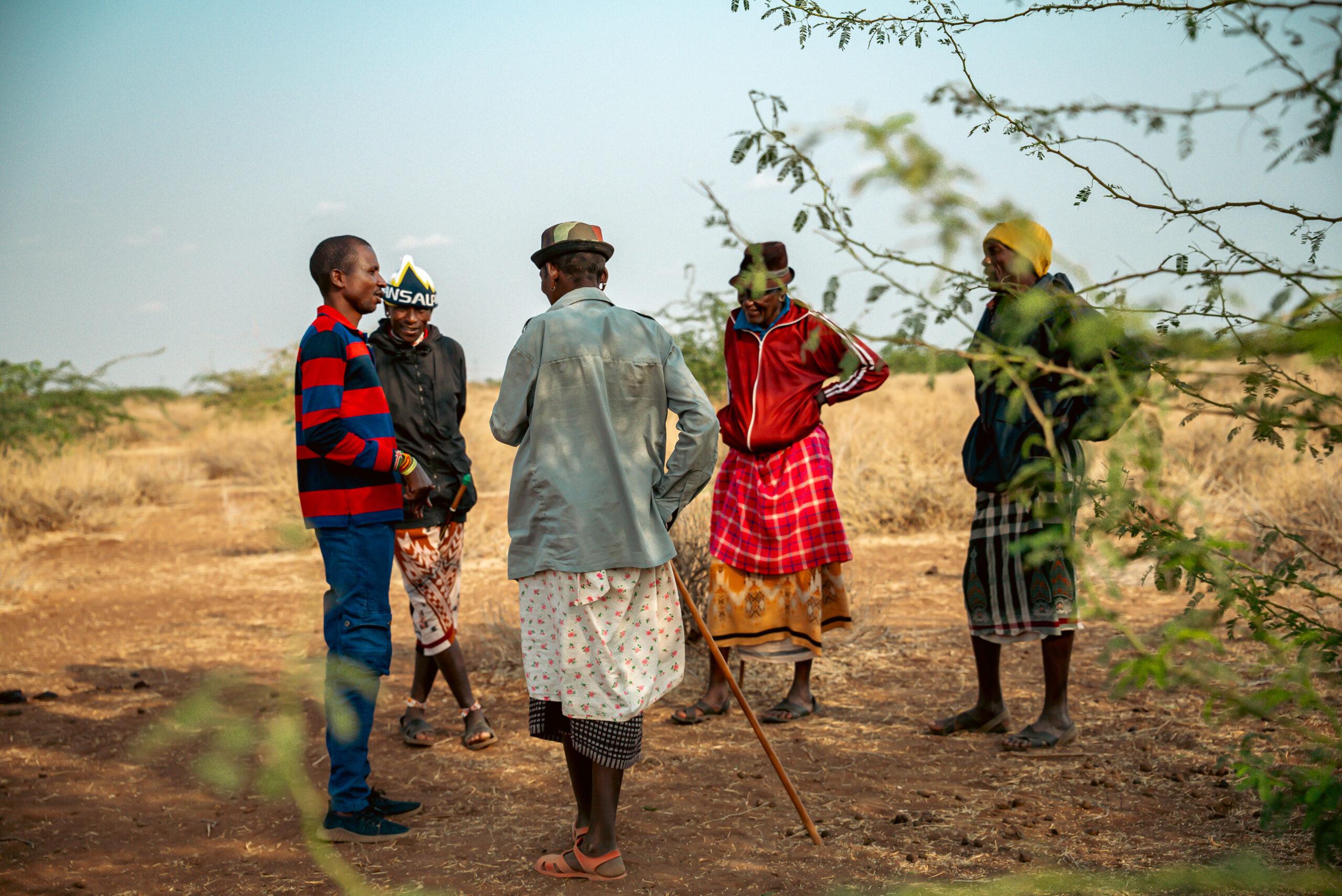
The long-term vision is ambitious: train 100 elders in total who will then lead camel husbandry training efforts across the broader community. The plan is to hand over the training to Samburu elders themselves, creating a sustainable, community-led initiative. These trained elders will become the teachers and leaders in camel husbandry, passing on knowledge to other wazee (elders) and ensuring that the expertise becomes embedded within Samburu culture.
Participants have already expressed a strong interest in additional training sessions across other regions and have recommended including youth in upcoming programmes, recognising that this knowledge must span generations to be truly sustainable.
We are grateful to Westgate Conservancy for their partnership in this endeavour. The success of these initial training sessions has laid the foundation for future initiatives that promise to further reduce conflict and strengthen the bonds between communities, their livestock, and the lions that have always been part of this landscape. As climate change continues to reshape pastoral livelihoods across East Africa, the Samburu elders, learning from their Rendille counterparts, offer a powerful model of adaptation, cooperation, and coexistence.
Written by Victoria Wanjohi and photos by Simatwa Ngachi.